

Last updated October 30, 2026
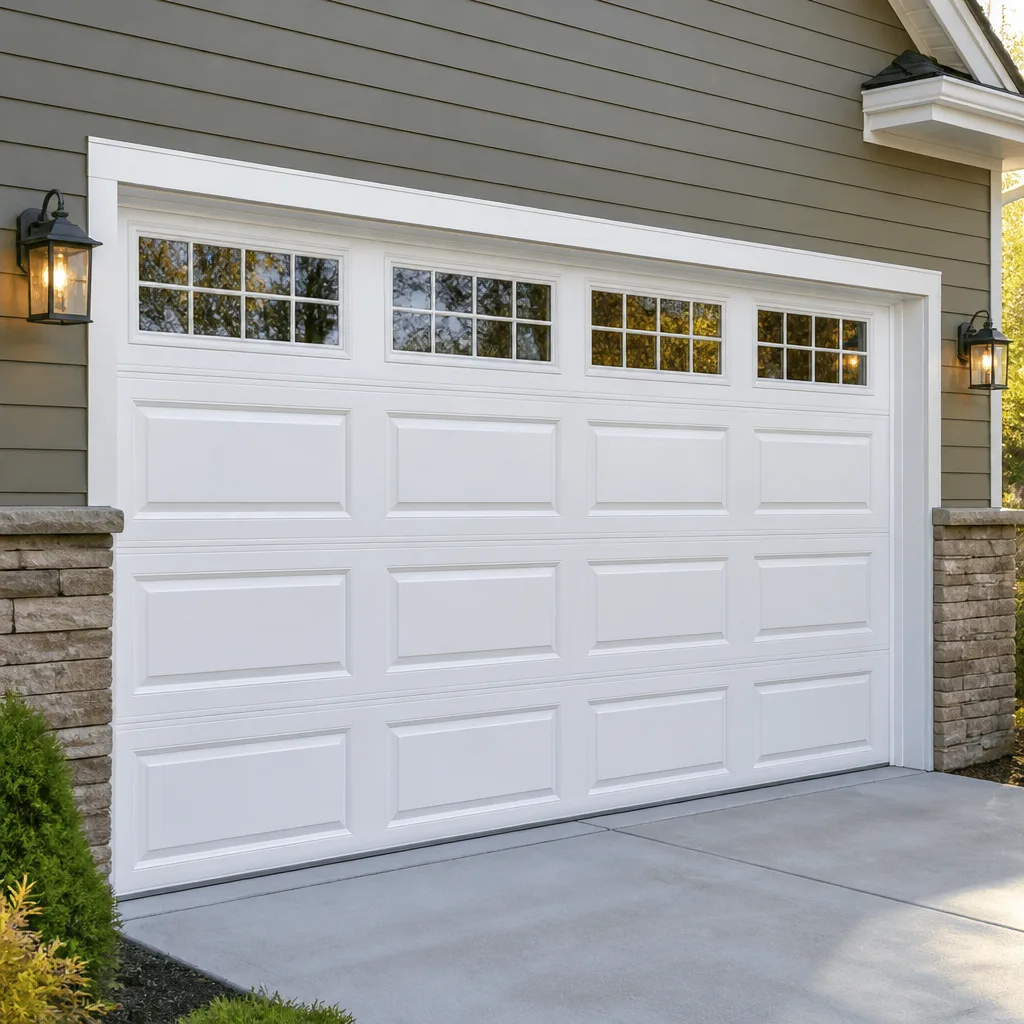 Raised-panel steel
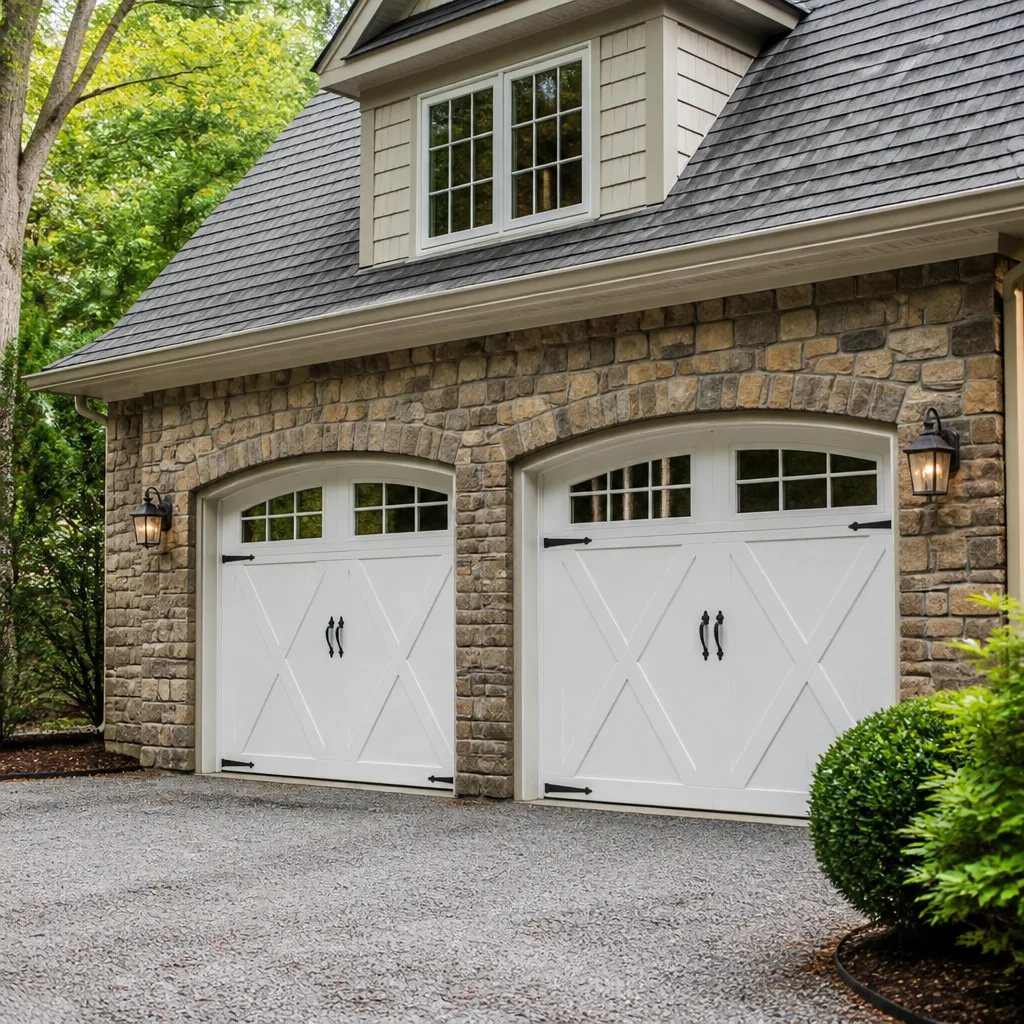 Carriage house
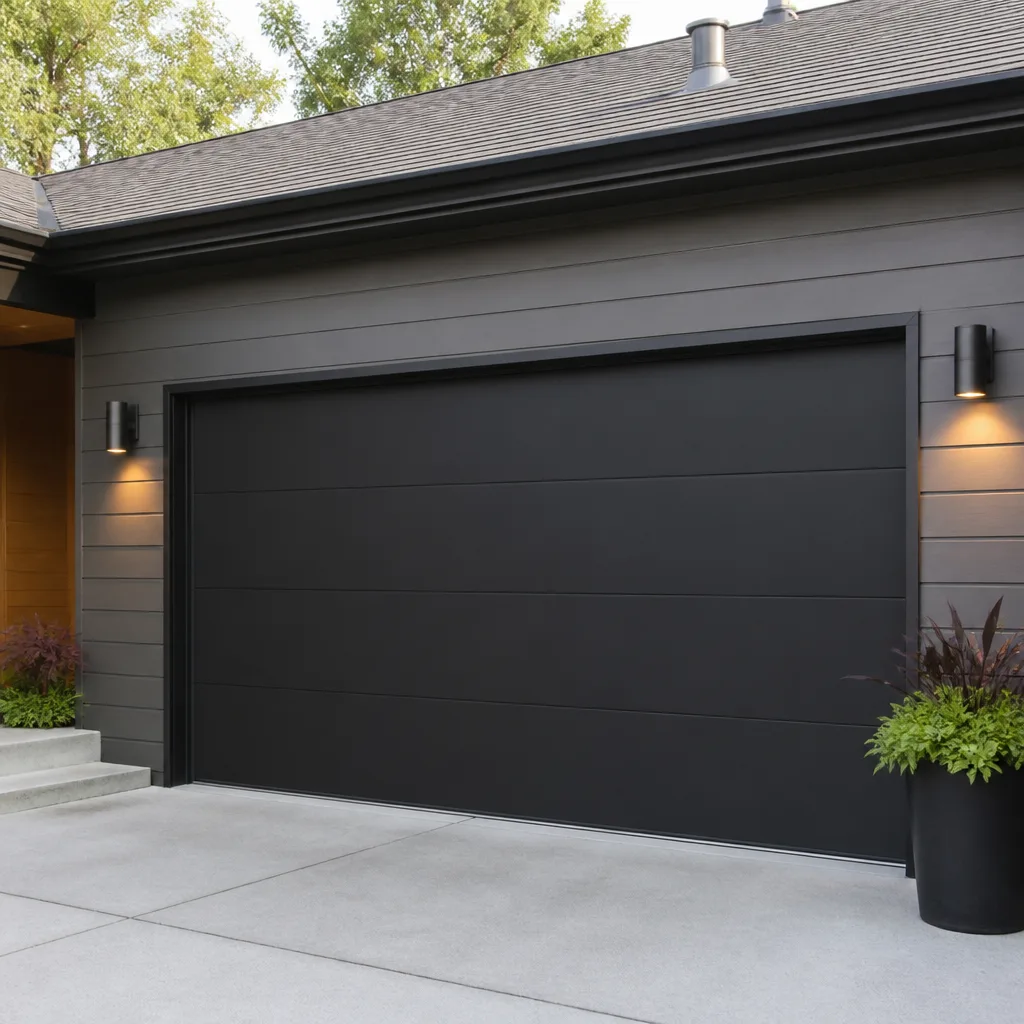 Modern flush
 Full-view glass
 LiftMaster openers
 Chamberlain openers
Full 25-point door and opener safety check with every visit - springs, cables, rollers, tracks, and your LiftMaster or Chamberlain opener included
You get a price before we start. It does not change when the truck arrives.
Get your free estimateGarage Door Permits, Codes & Inspections in FL: What You Need to Know
Here’s a fact that surprises most Miami Beach homeowners: a garage door can be perfectly legal under Florida state building code and still be completely unpermittable at your address. Miami-Dade County operates its own product approval system, called the Notice of Acceptance (NOA), that runs parallel to and often above the Florida Building Code. If the door you bought doesn’t carry a Miami-Dade NOA, no inspector will sign off on it, no matter how well it’s installed. This guide unpacks all three layers: state code, Florida wind provisions, and Miami-Dade’s independent approval process, so you know exactly what’s required before any work begins on your home.
Quick Answer
In Florida, garage door *replacement* that changes the door, track, or opening size requires a permit in most municipalities including Miami Beach, while most routine *repairs* like spring replacement, panel realignment, and opener motor swaps are exempt under Florida Building Code section 105.2. For Miami Beach specifically, any new garage door must also carry a Miami-Dade County Notice of Acceptance (NOA) proving it meets High Velocity Hurricane Zone (HVHZ) wind standards, which exceed the state’s requirements for the rest of Florida. Expect the permit process in Miami-Dade to take 3 to 10 business days for review, with inspections typically scheduled within 2 to 5 business days after the work is complete.
Styles & brands we work with
Table of Contents
- The Florida Building Code: What It Actually Says About Garage Doors
- Miami-Dade’s NOA System: The Approval Layer Most Homeowners Never Hear About
- When You Need a Permit vs. When Repair Work Is Exempt
- The Miami-Dade Permit Process: Timeline, Costs, and What to Expect
- What a Failed Inspection Looks Like: Common Rejection Reasons in Miami Beach
- Unpermitted Work, Insurance Claims, and Property Disclosure in Florida
- Wind Load Ratings and HVHZ: Why Miami Beach Doors Are Different
- Common Mistakes to Avoid
- When to Call a Professional
- Frequently Asked Questions
The Florida Building Code: What It Actually Says About Garage Doors
The Florida Building Code (FBC) is the baseline rulebook for every garage door installation and major repair in the state. It went through a substantial revision in 2023, and the current edition governs everything from wind load requirements to impact resistance standards. Most homeowners never read it, which is understandable: the sections that apply to garage doors run across multiple chapters covering structural loading, product approval, and building envelope requirements. What matters for you is how the code treats your specific situation: a simple spring repair is regulated very differently from a door replacement or an opening resize.
The FBC requires that every garage door installed in Florida meet specific wind pressure ratings based on your location. The state divides itself into wind speed zones, and Miami Beach sits in the highest of them. For a single-family home in Miami Beach, the code’s mapped wind speed is 175 mph for Risk Category II structures, which covers most residences. That number drives everything: the door’s design pressure rating, the track’s gauge, the anchor spacing, and whether impact glazing or shutters are required if the door contains windows.
What surprises many homeowners is that the code also regulates the track system, not just the door panel. Section 1715 of the FBC covers garage door assemblies as a complete system, meaning the door, track, springs, and anchoring provisions must all work together as a tested unit. You cannot legally pair a wind-rated door panel with a lightweight track system built for non-hurricane markets. This is one of the quiet reasons some budget installations fail in Miami Beach: the door passed, but the hardware behind it didn’t match the tested assembly.
In our experience working on garage doors across Miami Beach, we see this system-level requirement get overlooked most often when homeowners buy doors online and hire a handyman to hang them. The price looks good until the inspection comes. A door is only as code-compliant as its weakest component.
Miami-Dade’s NOA System: The Approval Layer Most Homeowners Never Hear About
Here’s the part that makes Miami-Dade uniquely difficult: the county maintains its own independent product approval database, and nothing gets installed within Miami-Dade or Broward county lines unless that exact product, down to the model number, carries an active Notice of Acceptance. The NOA program was established after Hurricane Andrew in 1992 exposed the failures of generic code enforcement. The county decided it would no longer trust manufacturer self-certification; every product must be physically tested at an accredited lab and approved by the Miami-Dade Board of Rules and Appeals before it can be sold for installation here.
This means a Chamberlain or LiftMaster garage door opener that works fine in Tampa cannot legally be part of a new installation in Miami Beach unless its specific model appears in the Miami-Dade product control search database. For openers, the requirement applies primarily to the door operator system when it’s installed as part of a new door assembly. For doors themselves, the NOA is non-negotiable: every panel, every track, every anchoring assembly must match the tested and approved configuration.
You can look up whether a specific door model carries a Miami-Dade NOA through the county’s online Product Control Search system at miamidade.gov. Search by manufacturer name or NOA number. If a contractor quotes a door that doesn’t appear in this database, the installation cannot pass inspection in Miami Beach, period. That’s not a technicality: the building department will reject the permit application outright if the product approval number is missing or invalid.
We work with Wayne Dalton and Craftsman doors regularly in Miami Beach because both manufacturers maintain comprehensive NOA coverage for hurricane-rated models. That doesn’t mean every door from those brands is automatically approved, but it does mean you can typically find an approved model in their lineup without switching brands. For homeowners who want Raynor doors, we verify the NOA before quoting, because Raynor’s Miami-Dade coverage is more limited on certain product lines. This brand-level nuance is exactly what trips up general contractors who don’t specialize in garage door systems.
When You Need a Permit vs. When Repair Work Is Exempt
Florida Building Code section 105.2 lists the work that is exempt from permit requirements, and this is the single most useful paragraph for a homeowner facing a garage door problem. Most repairs fall under the exemption. Replacing a broken spring, swapping out a malfunctioning opener motor, realigning sensors, replacing rollers, and fixing panel dents are all classified as ordinary repairs. No permit is required, no inspection is triggered, and you can have the work done the same day.
The line shifts the moment the work changes the door’s structural role or the opening itself. Here’s the practical breakdown:
- Permit required: replacing the entire door panel when the new panel differs in size, weight, or wind rating from the original; changing the track system from standard to hurricane-rated or vice versa; widening or restructuring the opening; converting a solid door to one with windows; any new door installation where no door existed before.
- Permit required in Miami Beach, even if not elsewhere in Florida: replacing an entire door assembly where the new assembly must carry a Miami-Dade NOA. Some Florida municipalities treat door replacement as a repair; Miami Beach does not.
- Permit exempt: garage door opener motor replacement when the existing track and door remain unchanged; spring, cable, and roller replacement; sensor realignment; weather seal replacement; panel dent repair that doesn’t alter structural integrity; lubrication and maintenance.
- Gray zone (verify with the building department): replacing the complete opener assembly including a new rail and motor when the existing door was installed before 1994 and predates the current code. Miami Beach Code Compliance may require a full door and track update to bring the assembly current.
The spring exemption matters, because spring failure is the single most common garage door emergency in Miami Beach. The humid salt air accelerates spring corrosion, especially on older doors closer to the water in neighborhoods like South of Fifth and Sunset Islands. When a spring snaps, you don’t need a permit, you need a repair. But if that same door is past its useful life and the repair reveals structural corrosion to the panels or track, a repair-only approach may not serve you well. At that point, you’re looking at a permit-driven replacement, not because the law demands it for the spring, but because the door assembly as a whole has reached the end of its code-compliant service life. Following a Garage Door Repair Maintenance Checklist for Miami Beach Homeowners can help you catch corrosion before it forces a full replacement.
For more on the repair side of the equation, our Garage Door Repair in Miami Beach page explains how we approach common failures like snapped cables, broken springs, and off-track doors, and what same-day repair looks like when no permit is involved.
The Miami-Dade Permit Process: Timeline, Costs, and What to Expect
If you do need a permit for a garage door replacement in Miami Beach, the process follows a predictable sequence. Here’s what it looks like step by step:
- Verify the product approval (NOA). Before submitting anything, confirm the exact door model and track assembly carry an active Miami-Dade NOA. This takes 10 minutes on the county’s Product Control Search portal. A contractor who quotes a door without first checking the NOA is guessing, and guessing is expensive.
- Submit the permit application. In Miami Beach, building permits are filed electronically through the city’s portal. The application includes the door specifications, the NOA number, the wind load calculation for the specific opening, and in some cases an elevation certificate showing the home’s base flood elevation relative to the garage slab.
- Pay the permit fee. For a standard residential garage door replacement, Miami Beach permit fees typically run between $150 and $400 depending on the valuation of the work and whether plan review is required. Plan review is usually not required for a like-for-like replacement, but it is required if the opening is being modified.
- Wait for review. Miami-Dade permit review timelines for straightforward door replacements currently run 3 to 10 business days. More complex applications, like those involving opening modifications or homes with historic designation, take longer. Historic districts in Miami Beach, including much of Flamingo Park and the Art Deco District, have additional review layers.
- Complete the installation. The door must be installed by a contractor holding an active Miami-Dade certificate of competency or a Florida state license with Miami-Dade reciprocity. The installing contractor is the one who pulls the permit.
- Schedule the inspection. After installation, the contractor schedules a final inspection. Miami Beach inspections are typically scheduled within 2 to 5 business days. The inspector verifies the installed product matches the NOA documentation, the anchoring pattern matches the tested assembly, and the door operates safely under manual and automatic operation.
- Receive the Certificate of Completion. Once the inspection passes, the city issues a Certificate of Completion, which closes the permit record. Keep this document: you’ll need it when you sell the home.
The timeline from permit submission to certificate of completion for a standard Miami Beach garage door replacement typically runs 2 to 3 weeks. For homes requiring flood plain verification or historic board review, add 2 to 4 weeks. If you’re replacing an opener as part of the permit, our Garage Door Opener Repair in Miami Beach page discusses how opener selection interacts with the code requirements for new door assemblies.
What a Failed Inspection Looks Like: Common Rejection Reasons in Miami Beach
Miami Beach inspectors see the same failures repeat week after week, and most of them trace back to documentation mismatches between what was submitted on the permit application and what actually got installed on the wall. A garage door inspection is not a performance review of the installer’s craftsmanship; it’s a verification audit against the approved documents. Here are the most common rejection reasons we see in the field:
- NOA mismatch: The permit lists door model A with a tested track assembly, but the installer hung door model B with a generic track. This is common with homeowners who switch doors mid-project to save a few hundred dollars. The inspector catches it immediately and fails the inspection on the spot.
- Anchoring deviations: The NOA document specifies anchor diameter, embedment depth, and spacing pattern. If the installer used smaller anchors or spaced them wider than the tested configuration, the inspection fails. This is invisible from the outside but matters structurally in a hurricane, and Miami Beach inspectors make no exceptions.
- Missing impact glazing documentation: If the door includes glass, the glass must be impact-rated or protected by an approved shutter or screen system. Installers sometimes order doors with standard glass to save cost, then cannot produce the impact test certification when the inspector asks.
- Opener incompatibility with the tested assembly: The opener must be listed in the NOA as a compatible operator for the door panel. A door approved for manual operation or for a specific opener model cannot be paired with a different opener without invalidating the approval.
- Unpermitted scope expansion: The homeowner starts with a door replacement, then decides to widen the opening or add a new pedestrian door. The inspector arrives and finds work outside the permit scope. The permit is voided, and the entire project goes back to plan review.
When an inspection fails, the financial responsibility falls on the party who hired the contractor to pull the permit. If the contractor’s work caused the failure, the contractor is contractually obligated to correct it. But if the homeowner changed the spec mid-project, the homeowner owns the cost of the correction. This is why we quote the door, verify the NOA, and lock the spec before the permit application goes in. A failed inspection in Miami Beach means another 2 to 5 day wait, another inspection fee, and a door that still isn’t legal.
Unpermitted Work, Insurance Claims, and Property Disclosure in Florida
Florida’s property insurance market has tightened dramatically since 2022, and unpermitted work is one of the first things insurers look for when adjusting a claim. If a hurricane damages your garage door and the door was replaced without a permit, the insurer has grounds to deny the claim entirely. This is not a theoretical risk: carriers including Citizens Property Insurance have explicitly tightened their underwriting guidelines to flag homes with unpermitted structural modifications, and garage door replacements are on the radar because of the wind-load implications.
The issue extends to property sales, too. Florida law requires sellers to disclose any work done without required permits on the Seller’s Property Disclosure form. In Miami Beach, where buyers routinely have properties inspected by code specialists before closing, an unpermitted garage door becomes a negotiation point. The buyer can demand a retroactive permit, which triggers a code inspection and potentially a full replacement if the door doesn’t meet current standards. Many Miami Beach real estate transactions have gone sideways over smaller issues than an unpermitted wind-rated door.
There’s also a safety angle most homeowners don’t appreciate until something goes wrong. A garage door in Miami Beach is a wind-rated structural component of the home’s envelope. The door holds the garage wall together under hurricane-force lateral loads. An underrated or improperly anchored door can fail during a storm, and that failure cascades: once the wind gets into the garage, it pressurizes the entire structure, and roofs lift off. This is not hypothetical; it’s the documented failure sequence from Hurricane Andrew that led to the NOA system in the first place. The permit requirement exists because Miami Beach homes genuinely need wind-rated doors, not because the city wants your paperwork money.
Wind Load Ratings and HVHZ: Why Miami Beach Doors Are Different
Miami Beach sits inside the High Velocity Hurricane Zone, a designation that appears nowhere else in the United States outside of Miami-Dade and Broward counties. The HVHZ provisions in the Florida Building Code impose stricter wind load requirements, stricter impact protection standards, and stricter product approval processes than the rest of Florida. A garage door rated for 150 mph in Broward’s non-HVHZ areas may be insufficient for the 175 mph design wind speed mapped for coastal Miami Beach addresses.
The wind load calculation for your specific garage door depends on several variables: your exact address and distance from the coast, the height of the garage opening above grade, the geometry of the home, and whether the garage is enclosed on all sides or partially open. These calculations are not optional: the permitting authority requires a signed wind load calculation for every new garage door in Miami Beach, and the door’s design pressure rating must meet or exceed the calculated requirement.
In practice, this means doors installed in Miami Beach are heavier, with thicker steel or reinforced composite construction, heavier gauge track, and more anchors per foot than equivalent doors in Orlando or Jacksonville. The market price reflects this: a wind-rated Miami-Dade approved garage door in Miami Beach typically runs 30% to 50% more than a comparable non-rated door installed elsewhere in Florida. That premium is not optional or negotiable; it’s the structural cost of living in a hurricane zone. For homeowners budgeting a replacement, our Garage Door Installation in Miami Beach page covers the selection process across brands like Clopay and Amarr, including which product lines carry active NOAs for HVHZ compliance.
Common Mistakes to Avoid
- Buying a door online without checking the NOA. Homeowners order a door from a national retailer, get a great price, and then discover the model has no Miami-Dade approval. The retailer won’t take it back, and the door is unpermittable in Miami Beach. Check the NOA before you commit to any purchase.
- Assuming a handyman can pull a garage door permit. Miami Beach permits require a licensed contractor with garage door classification. General handymen without the license cannot legally pull the permit, which often pushes the entire job into unpermitted territory.
- Replacing a door without considering the track system. The NOA covers the door and track as a matched assembly. A premium wind-rated panel paired with a cheap track is a failed inspection waiting to happen.
- Skipping the permit to save a few hundred dollars. The permit fee is a tiny fraction of the cost of redoing the work after an insurer denies a claim or a buyer demands retroactive compliance. Unpermitted garage door work in Miami Beach is a deferred liability, not a savings.
- Treating all repair work as permit-exempt. Most repairs genuinely are exempt, but the moment you replace the door panel itself with a different model, or modify the opening, you’ve crossed into permit territory. If you’re unsure, call the Miami Beach Building Department before work starts.
- Ignoring the flood plain implications. For homes in AE flood zones, which cover much of Miami Beach’s west side, garage enclosures below the Base Flood Elevation must meet specific construction standards. A door replacement can trigger flood plain review that a homeowner in another part of Florida would never encounter.
- Hiring a contractor without Miami-Dade product familiarity. Contractors from Broward, Palm Beach, or out of state often misunderstand the NOA requirement. We’ve been called to fix installations in Miami Beach where an out-of-county contractor hung a door that passed inspection in Fort Lauderdale but had zero legal standing five miles south.
When to Call a Professional
If your garage door needs a full replacement in Miami Beach, do not attempt a DIY installation, even if you’re capable with tools. The HVHZ wind load requirements and NOA matching process are specialized enough that even licensed general contractors get them wrong. A door that operates fine but lacks the proper NOA, anchoring, or impact glazing will fail inspection, void your insurance, and complicate your eventual home sale.
For repair work, the calculus is different. A broken spring or failed opener motor is a repair call. But if that repair reveals structural issues, a corroded track, or a panel past its lifespan, you’re moving into replacement territory, and that’s where permits and approvals enter the picture. The right call is to have a garage door specialist assess the full system, not just the broken part. Bayside Garage Door Repair offers free estimates in Miami Beach. Call (855) 674-1679 and we’ll tell you honestly whether you’re looking at a permit-exempt repair or a permit-required replacement, and what it will cost either way.
Frequently Asked Questions
No, garage door spring replacement is classified as ordinary repair under Florida Building Code section 105.2 and does not require a permit in Miami Beach or anywhere else in Florida. Spring replacement is something a qualified repair technician can complete the same day, often within hours of your call.
A standard residential garage door replacement permit in Miami-Dade County typically costs between $150 and $400, depending on the valuation of the work and whether plan review is required. Most simple like-for-like replacements in Miami Beach fall on the lower end of that range. The exact fee is determined at the time of application based on the job’s specifics.
For a straightforward garage door replacement with a clean NOA and no opening modifications, the Miami-Dade permit review typically takes 3 to 10 business days, with inspection scheduled 2 to 5 business days after installation is complete. The full timeline from permit submission to Certificate of Completion runs 2 to 3 weeks for most Miami Beach homes.
A Miami-Dade NOA (Notice of Acceptance) is a county-issued product approval certifying that a specific garage door model and its track assembly have been tested and approved for use in the High Velocity Hurricane Zone. Without an active NOA matching your exact door model, the Miami Beach Building Department will not issue a permit or pass an inspection for a new installation.
It may not. Florida insurers have tightened underwriting significantly since 2022, and damage to unpermitted structural components, including wind-rated garage doors, is frequently cited as grounds for claim denial. If you cannot produce a permit and Certificate of Completion for your door, you’re carrying significant financial exposure in the event of a storm damage claim.
Only if that exact door model and its matched track system carry an active Miami-Dade NOA. Many national retail doors are not approved for the HVHZ market, which means they cannot be permitted in Miami Beach regardless of how well they’re installed. Check the manufacturer and model number against the Miami-Dade Product Control Search before buying. If you’re unsure, call a garage door specialist first and save yourself the cost of a door you can’t legally hang.
The Bottom Line
Miami Beach garage door permits and codes operate on three layers: Florida Building Code, wind-rated HVHZ provisions, and Miami-Dade’s independent NOA product approval system. Most repairs are permit-exempt under section 105.2, but full door replacements trigger a permit, a NOA verification, and an inspection that validates both documentation and installation quality. Unpermitted work carries real risk in this market: insurance claim denials, property sale complications, and doors that fail when they’re needed most. When in doubt, verify the NOA before you buy, pull the permit before you install, and keep the Certificate of Completion after you’re done. For Miami Beach homeowners, Bayside Garage Door Repair handles the full process, from NOA verification to final inspection, so the door you get is the door that passes. For all of your garage door needs, start at the Bayside Garage Door Repair home page or call (855) 674-1679 for a free estimate.
Written by the team at Bayside Garage Door Repair, serving Miami Beach since 2014. For more guides & resources, visit our blog.
See the difference
 Before
 After
 Before
 After
 Before
 After