

Last updated October 30, 2026
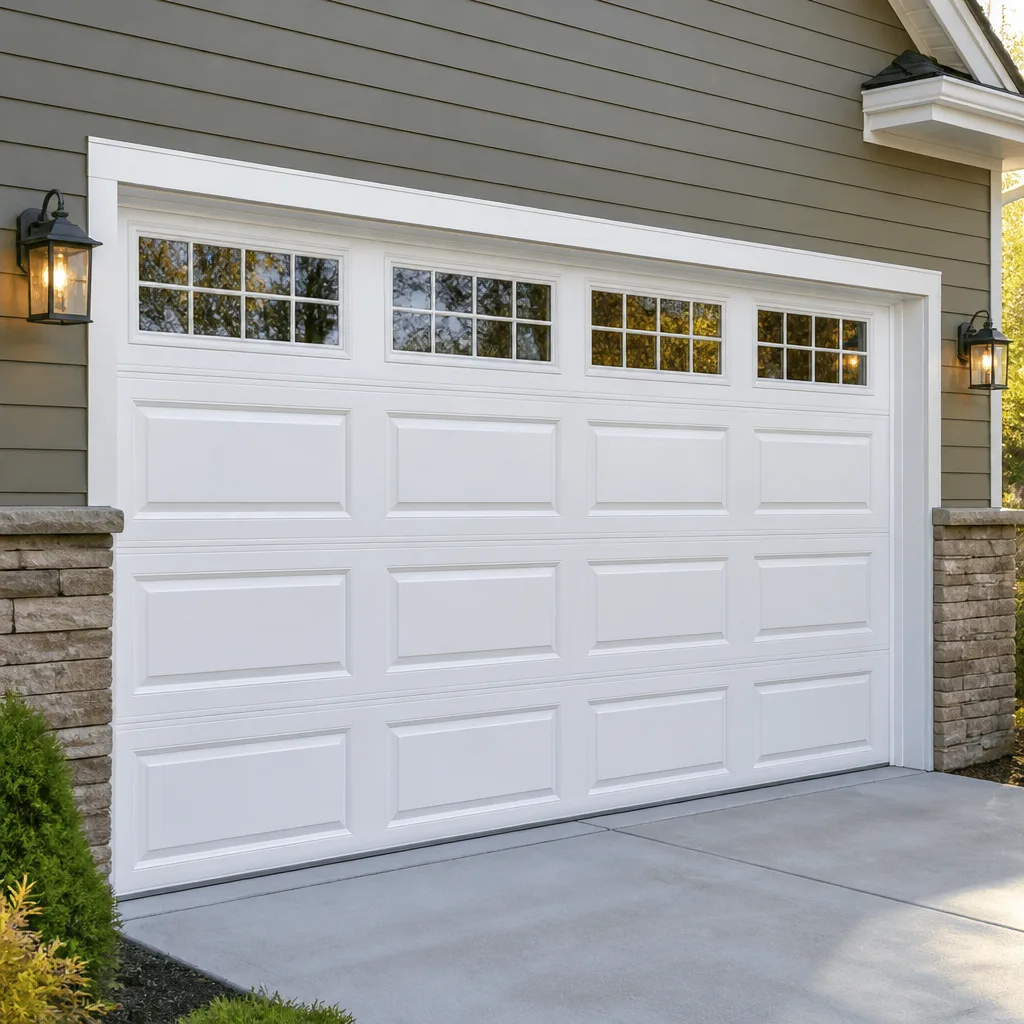 Raised-panel steel
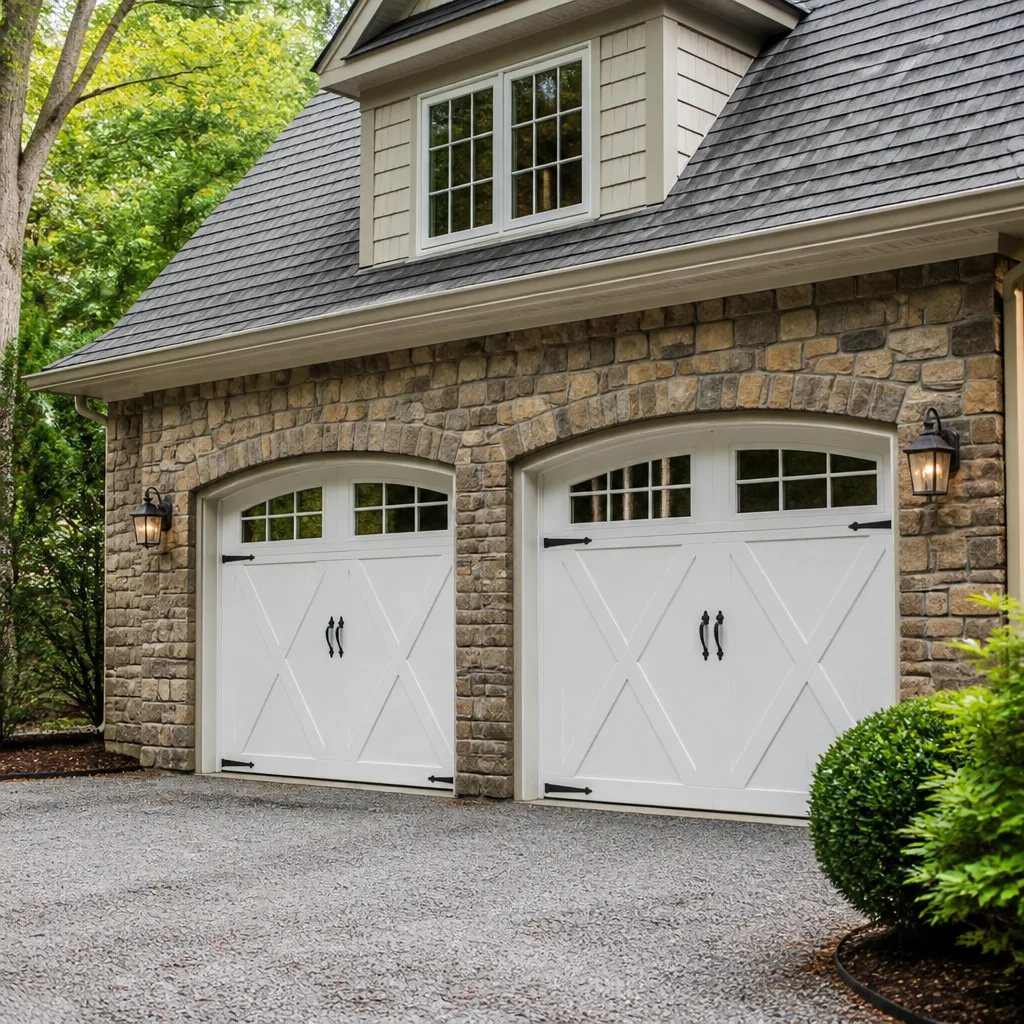 Carriage house
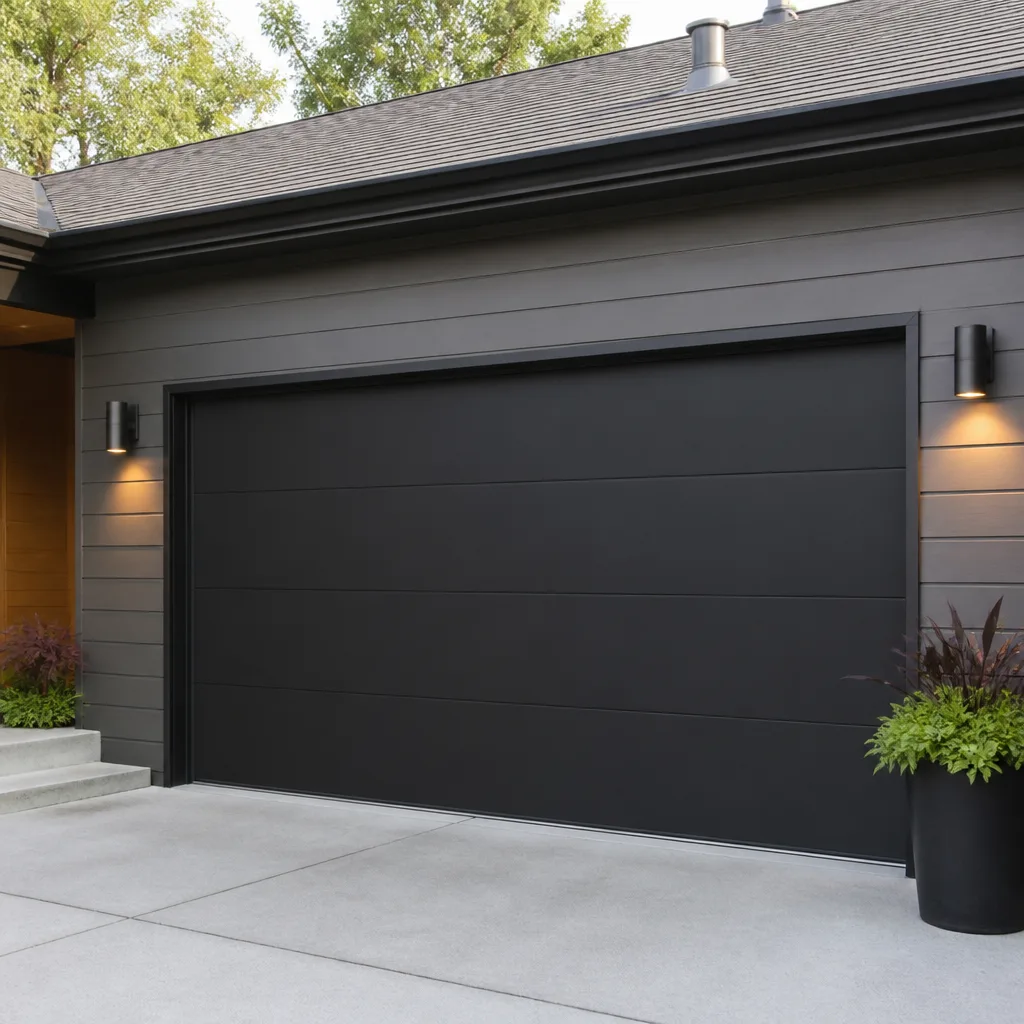 Modern flush
 Full-view glass
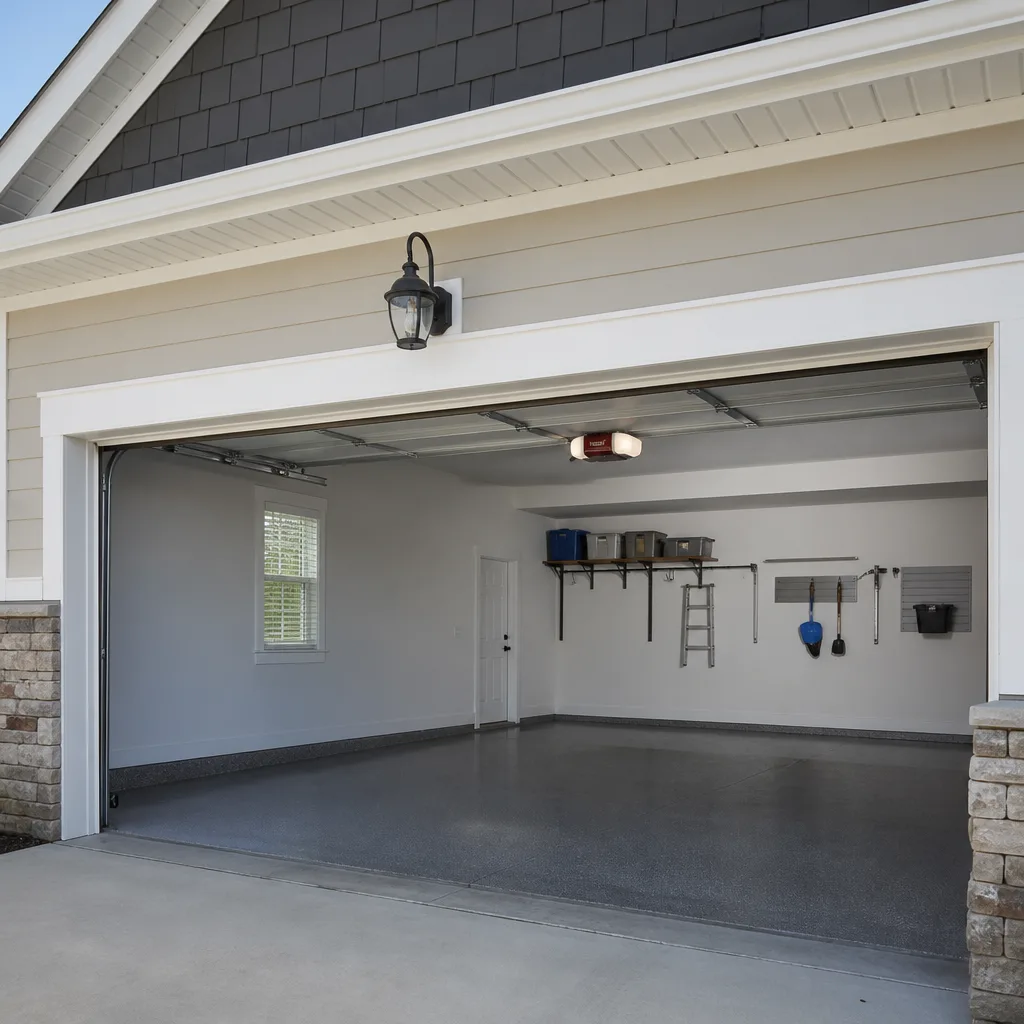 LiftMaster openers
 Chamberlain openers
Full 25-point door and opener safety check with every visit - springs, cables, rollers, tracks, and your LiftMaster or Chamberlain opener included
You get a price before we start. It does not change when the truck arrives.
Get your free estimateSeasonal Garage Door Care for Miami Beach: Year-Round Homeowner’s Guide
Here’s a counterintuitive fact we’ve learned from thousands of service calls across Miami Beach: the busiest weeks for garage door repair in Miami Beach aren’t in September, when hurricanes threaten. They’re in late October and November, when doors that “seemed fine” during the storm finally give out under hidden stress. Salt-encrusted rollers seize. Micro-fractured springs snap. Panels that absorbed hours of wind pressure suddenly fall out of alignment. This guide walks through the real seasonal rhythm of South Florida, not the spring-summer-fall-winter calendar that doesn’t apply here, and shows you exactly what to check during each phase so you aren’t the one calling us in a panic on a Monday morning.
Quick Answer
Seasonal garage door care in Miami Beach means following South Florida’s actual climate timeline: a dry-season inspection in February through April, pre-hurricane hardening in May and June, storm-ready preparation when named storms approach, and a mandatory post-season stress audit in December and January. The single most important task is rinsing and lubricating your hardware every 60 to 90 days to combat salt-air corrosion, which accelerates during the dry winter months when northeast winds carry Atlantic salt spray directly across the barrier islands.
Styles & brands we work with
Table of Contents
- Miami Beach Doesn’t Have Four Seasons: Why Your Garage Door Care Calendar Needs a Rewrite
- How Salt Air Attacks Garage Doors in Miami Beach: What Actually Happens to the Metal
- February Through April: The Dry-Season Inspection and Recovery Window
- May Through June: Pre-Hurricane Hardening Before Storm Season Activation
- June Through November: Storm-Ready Preparation and What Not to Do
- December Through January: The Post-Season Stress Audit Most Homeowners Skip
- Common Mistakes to Avoid
- When to Call a Professional
- Frequently Asked Questions
Miami Beach Doesn’t Have Four Seasons: Why Your Garage Door Care Calendar Needs a Rewrite
Most garage door maintenance guides are written for places with snow, ice, and freeze-thaw cycles, but our complete guide to garage door in Miami Beach is built for coastal conditions. Miami Beach operates on a completely different clock. Our year breaks down into what we call the four coastal phases: the dry season (February through April), pre-hurricane season (May through June), active storm season (June through November), and the post-season recovery window (December through January). Each phase presents distinct threats to your garage door system, from wind-driven salt to sudden atmospheric pressure shifts that affect spring tension.
What most homeowners don’t realize is that the “pleasant” months are often the most damaging. During winter and early spring, prevailing northeast winds push salt-saturated air from the Atlantic directly across Miami Beach. The humidity drops, but the salt load on your metal hardware rises. By April, we routinely see torsion springs with visible surface rust, roller bearings that grind instead of spin, and tracks with corrosion pitting that catches the rollers like sandpaper. Understanding this seasonal rhythm is the difference between a garage door that lasts 15 years and one that needs major work in 7, as explained in our complete garage door repair guide for Miami Beach homeowners.
How Salt Air Attacks Garage Doors in Miami Beach: What Actually Happens to the Metal
Salt doesn’t just sit on the surface of your garage door. It creates an electrochemical reaction that accelerates rust on exposed steel, galvanized hardware, and especially torsion springs. A spring under constant tension is a perfect candidate for stress-corrosion cracking, a process where salt residue creates microscopic pits that concentrate stress and eventually snap the metal. The result isn’t gradual, it’s sudden: a loud bang from the garage, a cable that lashes out, and a door that won’t lift.
The specific problem in Miami Beach is that wind patterns shift seasonally, changing where and how salt lands on your property. From late October through April, northeast trade winds bring Atlantic air straight across the barrier islands. Homes on the east side of South Beach, Mid-Beach, and North Beach, particularly those within a mile of the ocean, get the heaviest salt deposition. During summer, the wind swings around to the southeast and south, which spreads salt more evenly but drastically increases humidity. The combination means you’re fighting corrosion year-round, just from different angles.
What should you do about it? A simple freshwater rinse of your door, tracks, and visible hardware every 60 days works. Follow it with a dry cloth pass, then reapply lubrication to moving parts. Don’t use WD-40 on rollers or bearings; it displaces water but leaves behind little long-term protection. Use a white lithium grease or silicone-based lubricant on metal-to-metal contact points, and a dry Teflon spray on nylon components.
Which Parts Fail First in Salt Air
- Torsion springs: Surface rust creates pitting that leads to premature snapping. Expect 5-7 years of life near the ocean versus 10-12 inland.
- Roller bearings: Sealed bearings eventually lose their seal to salt grit. Open bearings fail faster. Replacement is a $60-$150 job; ignoring it leads to track damage.
- Bottom brackets and cables: Galvanized steel degrades where the cable wraps around the drum. Frayed cables are a severe safety hazard.
- Hinges and fasteners: Cheap hardware rusts first. Stainless steel hinges are worth the upgrade within a mile of the ocean.
- The opener’s chain or belt: Salt accelerates chain stretch. The motor works harder, draws more current, and its lifespan drops.
February Through April: The Dry-Season Inspection and Recovery Window
If you only do one maintenance sweep per year, do it in February or March. The winter winds have finished depositing months of salt, the humidity is at its lowest, and you still have a solid two to three months before hurricane season activates on June 1. This is the window for deep maintenance that can’t easily be done when rain and storms make outdoor work unpredictable.
Start with the cleaning. Mix warm water with a few drops of mild dish soap, nothing abrasive, and wash the door panels from bottom to top. Pay close attention to the bottom panel, which catches road spray and organic matter. If you have a wood door, inspect for paint bubbling or soft spots, which indicate water infiltration. Composite and steel doors should be checked for chips and scratches that expose raw metal.
Next, inspect the hardware systematically. Run the door manually by pulling the emergency release cord and listening for grinding, squealing, or thumping. Each sound points to a specific problem: grinding usually means worn rollers, squealing indicates dry hinges, and thumping often signals loose track bolts. Tighten every fastener you can reach with a socket wrench. The vibration of daily use loosens lag bolts over time, and a loose track is how doors jump their rails within a year.
Check your weatherstripping along the bottom and sides. Miami Beach’s short afternoon downpours funnel water toward garage openings fast, and a worn bottom seal is the difference between a dry floor and standing water around your stored items. A replacement bottom seal costs $40-$80 and takes under an hour for a technician to install.
Five-Step Dry-Season Checklist
- Wash and dry: Soap and water, then a thorough dry pass. This removes months of salt accumulation.
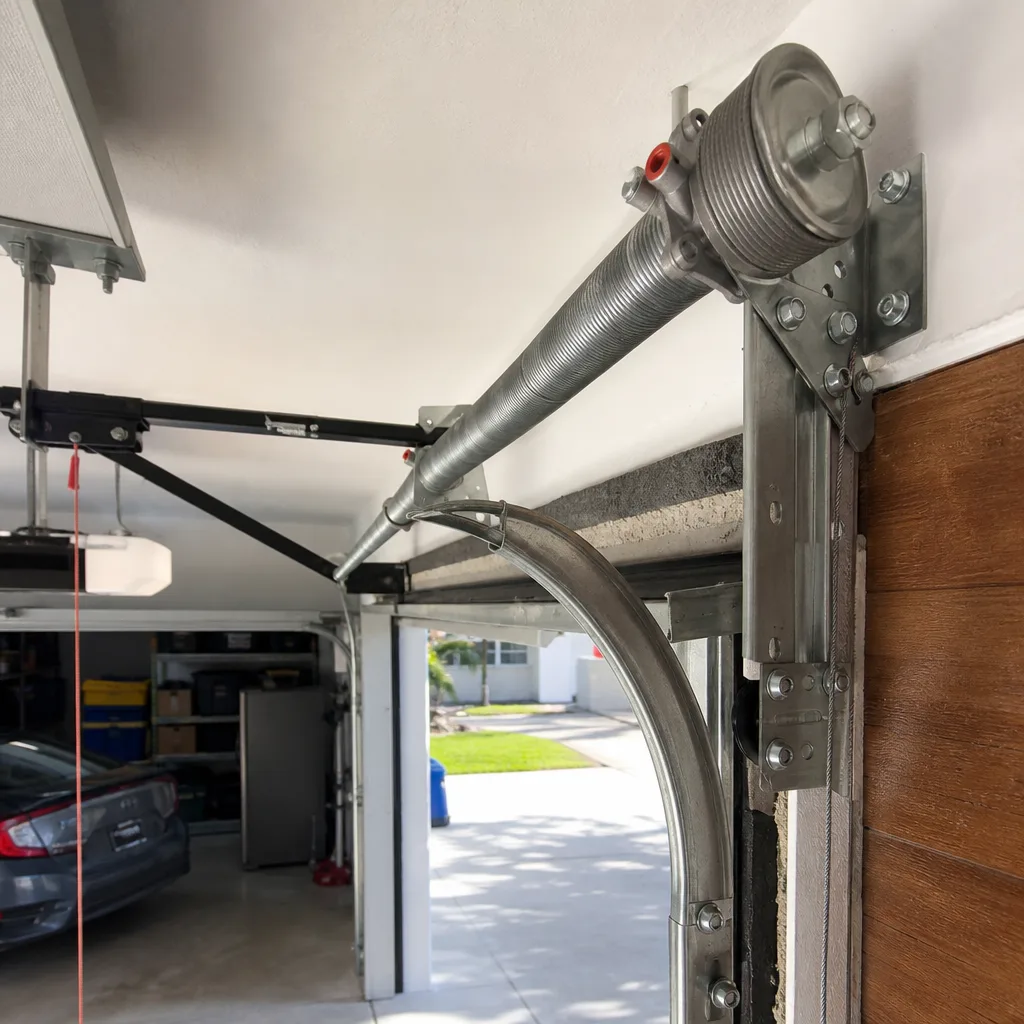
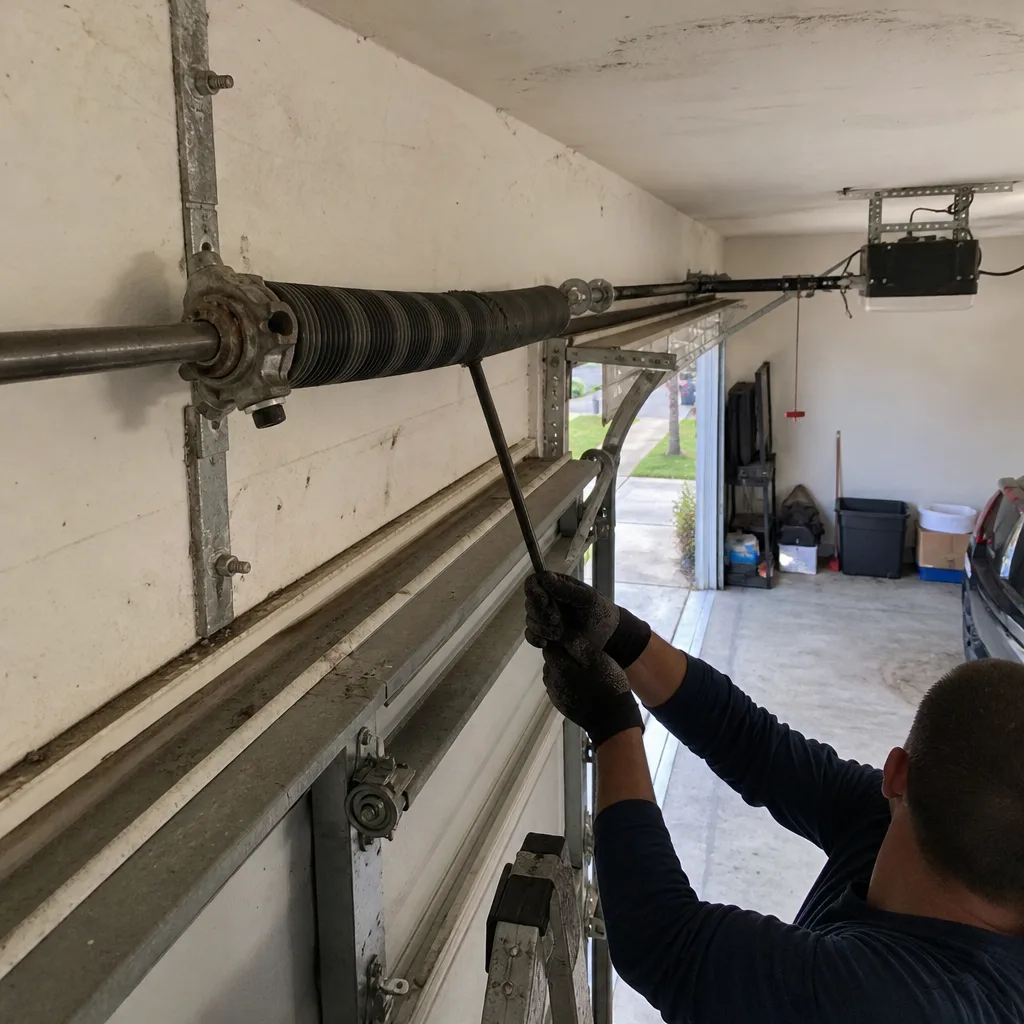
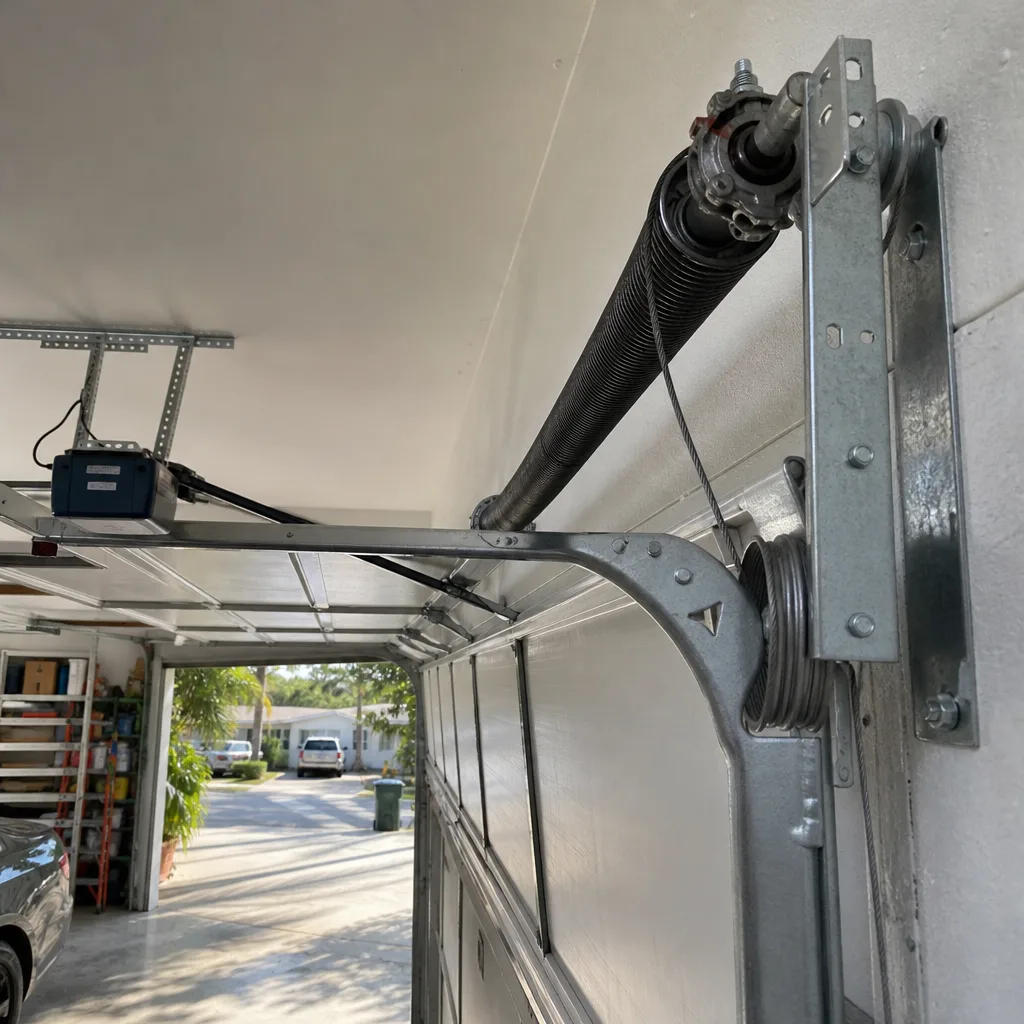
- Inspect springs visually: Look for rust, gaps in the coil spacing, or a visible crack. If the spring has separated, do not attempt to open the door.
- Lubricate moving parts: Hinges, rollers, bearing plates, and the opener chain or belt. A little goes a long way.
- Test the auto-reverse: Place a 2×4 flat on the ground under the door’s path and close the door. It should reverse within two seconds of contact.
- Run a balance check: Pull the release cord, lift the door to waist height, and let go. It should stay put, not drift up or slam down.
May Through June: Pre-Hurricane Hardening Before Storm Season Activation
June 1 is the official start of Atlantic hurricane season, but the smart move is completing your door reinforcement in May. By the time a named storm forms, you’ll be competing with every other homeowner in Miami Beach for parts, technician time, and your own bandwidth. Pre-hurricane hardening is about structural integrity, not cosmetic fixes.
The first priority is your door’s wind-load rating. Miami-Dade County requires garage doors to meet specific high-velocity hurricane zone standards, including wind-load testing and impact-resistance requirements. If your door predates the stricter codes implemented after Hurricane Andrew, it may not hold up to sustained Category 3+ winds. Look for a label on the inside of the door panel that lists the manufacturer, model, and compliance marking. No label often means no certification, and that’s worth a professional evaluation before your family is in the path of a storm.
Hardware reinforcement follows. Older doors often have tracks held in place with light-gauge brackets and short lag screws. Hurricane-force winds test these connections continuously for hours, and failure isn’t always dramatic. Doors that flex excessively during storms pull tracks out of alignment, jam openers, and strip the bolts that anchor the whole system to the framing. Reinforcing the track brackets with heavier-gauge hardware and longer lags, with proper fasteners into the structural framing, makes a measurable difference.
Your opener takes specific stress during storm season. Sustained winds cause pressure differences between inside and outside the garage, making the door harder to lift and lower. The opener motor compensates by pulling more current, which shortens its life. During hurricane season, if you have a manual lock on the door, engage it when severe weather threatens. This isn’t about security; a locked door is a structurally stiffer door that resists wind flex.
Pre-Hurricane Reinforcement Tasks
- Verify wind-load compliance: Check for the Miami-Dade NOA (Notice of Acceptance) label. If missing, schedule a wind-load inspection.
- Reinforce track brackets: Upgrade to heavier brackets with longer structural fasteners if yours show any flex.
- Replace worn cables and springs before the season: A cable that snaps during a storm leaves the door partially supported, which is more dangerous than a fully closed door.
- Trim nearby trees and remove loose debris: Flying branches and coconuts cause more garage door panel damage than wind alone.
- Test the manual override: If the power goes out during a storm, you need to open and close the door by hand. Practice it now.
June Through November: Storm-Ready Preparation and What Not to Do
When a storm is forecast for Miami Beach, homeowners often make urgent decisions that cause more harm than the storm itself. The most common one is trying to brace the inside of the door with heavy furniture, sandbags, or improvised lumber. This doesn’t strengthen the door. It adds unsecured mass that shifts and slams during the storm, damaging the door, the tracks, and anything stored nearby.
The right preparation is measured and quick. Start by clearing the garage floor of loose items that could become projectiles. Next, close the door fully and engage the manual lock bar. If you have a jackshaft or side-mounted opener, disengage it and operate the door manually to reduce unnecessary strain on the motor. For standard overhead openers, the closed position with the motor engaged is fine; the opener’s internal brake adds slight resistance to wind pressure.
If the storm is expected to be Category 3 or stronger, consider lowering the door onto two evenly placed support blocks, one under each track, so the door rests on them when fully closed. The wind wants to pull the door outward or push it inward. Supporting the closed door along its bottom edge distributes the load down into the concrete instead of letting the tracks absorb it all. Don’t improvise with cinder blocks that can crumble or shift; that’s a risky substitute at the moment you can least afford it.
After the storm passes, do a visual check before operating the door by motor. Look for debris in the tracks, bent panels, or a door that appears shifted. Run the door manually first, listening for new grinding or resistance. If anything sounds or feels off, stop and call. We arrive at post-storm calls in Miami Beach with a standard protocol: inspect springs, cables, tracks, and panels in order, then assess the opener only after the structural components are confirmed safe.
What Not to Do During Storm Preparation
- Don’t brace the door with interior furniture. It creates loose mass that damages the door and everything around it.
- Don’t leave the door halfway open to “relieve pressure.” Half-open doors catch wind like a sail and rip the tracks from their anchors.
- Don’t wrap the door with rope or cord. Wind-driven tension can suddenly snap the rope, turning it into a whip.
- Don’t spray fresh lubricant right before the storm. Wet lubricant attracts and holds salt-saturated rain, accelerating corrosion.
- Don’t wait until a watch is issued to schedule repairs. The two weeks before a storm hits are our busiest of the year.
December Through January: The Post-Season Stress Audit Most Homeowners Skip
This is the window we referenced in the opening. October and November see us busy with “mystery failures” that aren’t mysteries at all: they’re the cumulative result of months of storm stress that no one inspected. The post-season audit, done in December or January, catches these problems before they become emergency calls.
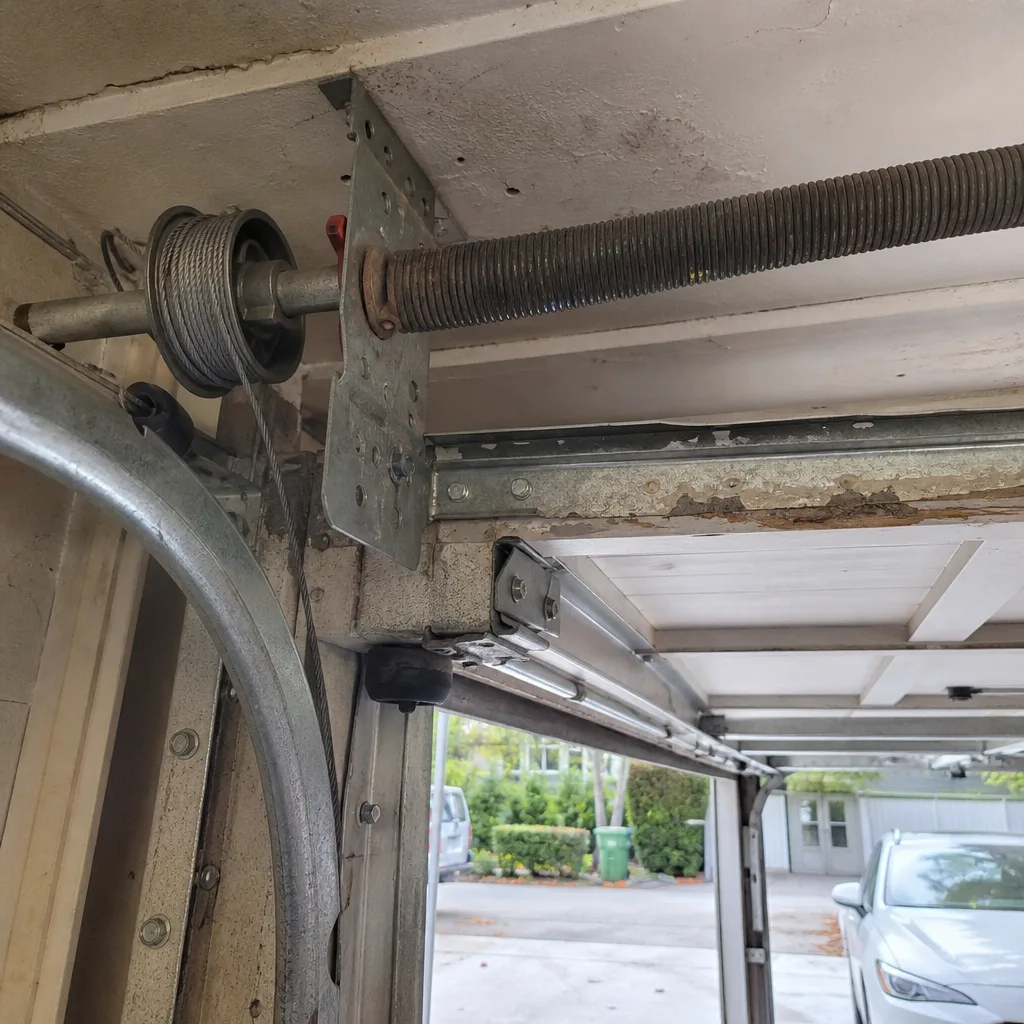
The audit is structured and methodical, and it’s something a homeowner can start on their own. Begin with a visual spring inspection. Look at the torsion spring above the door. Is the coil spacing uniform? Rust doesn’t always mean failure is imminent, but rust on a spring in a coastal environment like Miami Beach, with consistent salt exposure, is a stronger warning sign than the same rust would be inland. Cracks often form at the point where the spring cone connects to the spring body. Use a flashlight; these fractures are thin and easy to miss in garage lighting.
Next comes panel alignment. Close the door and study the seam where each panel meets the next. Gaps, especially at the corners, indicate that wind pressure has slightly deformed the panel or loosened the hinges. A door with worn hinges can still operate, but it’s putting uneven strain on the sections above and below, which accelerates wear and can lead to a panel pulling free from the track entirely.
Post-Season Audit Protocol
- Springs: Inspect for rust pitting, coil separation, or hairline cracks. If anything looks uneven, lock the door and call before further use.
- Cables: Look for frayed strands near the drum and at the bottom bracket. Frayed cables can fail under load without warning.
- Panels and hinges: Check seam alignment and hinge tightness. Retighten loose bolts and schedule hinge replacement for any that wobble.
- Tracks and rollers: Run the door manually to feel for rough spots. Clean the track grooves of salt residue with a dry brush.
- Hardware corrosion audit: Check every visible nut, bolt, and bracket for surface rust. Replace any fastener that’s lost its galvanized coating.
- Opener test: Run a full open-close cycle and listen for motor strain. A motor that sounds labored in December often needs a chain tension or force-limit adjustment.
Miami Beach’s specific geography makes this audit more important than it would be inland. The barrier island’s narrow width means wind accelerates between the ocean and Biscayne Bay, and no property is more than a few blocks from saltwater. Homes in Sunset Harbour, Normandy Isle, and the Venetian Islands all face similar exposure profiles. We’ve seen identical builder-grade doors installed the same month perform very differently depending on whether the home faces the ocean or sits on the mainland side of Biscayne Bay.
Common Mistakes to Avoid
- Following a northern climate maintenance calendar. Spring and fall cleanups written for New Jersey skip the salt-air realities of Miami Beach. Your calendar starts in February, not May.
- Rinsing with a pressure washer. High-pressure water forces salt and grit deeper into bearings and seal gaps. A garden hose with moderate flow works better.
- Ignoring the “small” rust. In Miami Beach, surface rust on a spring or cable becomes structural rust in one season. Address it early.
- Lubricating without cleaning first. Fresh lubricant over salt residue traps the salt against the metal. Clean, dry, then lubricate.
- Skipping the post-storm inspection because the door “works fine.” Hidden stress failures show up weeks later. The door working today doesn’t mean it will work next week.
- DIY spring replacement. Torsion springs are under extreme tension and do not belong on a DIY task list ever. This is a safety hazard, not a savings opportunity.
- Delaying pre-hurricane reinforcement until a storm forms. The window for professional help closes quickly once a named storm enters the Gulf.
When to Call a Professional
Some maintenance is clearly DIY, like washing panels and checking for rust. Other situations require a trained technician. If you see a separated spring, a frayed cable, or a door that binds mid-travel, stop using it immediately and call. The same goes for any opener that starts making grinding noises or reverses mid-cycle without reason. Doors under tension store enormous energy, and a cable that releases unexpectedly can cause serious injury. We work with every major brand installed in Miami Beach, so you don’t need to find a “Craftsman person” or a “Clopay dealer.” We diagnose the system you have and repair it without steering you toward an unnecessary replacement. Bayside Garage Door Repair offers free estimates in Miami Beach, call (855) 674-1679 to schedule one.
Frequently Asked Questions
Every 60 to 90 days, year-round, because salt air continuously deposits corrosive material on your moving parts. Clean the components with a dry cloth first, then apply a silicone-based or white lithium lubricant to hinges, rollers, bearing plates, and the opener chain or belt.
Washing your door every two months with mild soap and water, followed by a dry cloth pass, removes salt before it can etch the finish. If you see bubbling paint or rust spots, address them with touch-up paint before the underlying metal exposure expands.
Miami-Dade County requires garage doors to meet stringent wind-load and impact-resistance standards. If your door was installed before Hurricane Andrew in 1992, it likely predates these codes. Look for a Notice of Acceptance label on the inside of the door panel, and if it’s missing, have it professionally evaluated.
Close the door fully, engage any manual locking bar, clear loose items from the garage floor, and do not brace the door with furniture. If the door had been operating smoothly, leave it closed. If you have an open repair order, call us before the storm, not during it.
Basic DIY maintenance, including cleaning supplies and lubricant, runs under $50 per year. A professional seasonal inspection typically falls in the $85 to $150 range depending on the door type and condition. Replacing worn rollers or cables during the inspection adds parts cost, and we quote every job before any work begins.
We work with what’s already installed. Our technicians are certified across eight major brands, including Amarr, Wayne Dalton, Craftsman, and Raynor, so we diagnose your existing system and repair it whenever that’s the right call. Replacement only comes up when the door or opener is genuinely beyond safe service.
The Bottom Line
Seasonal garage door care in Miami Beach means reorienting your thinking around the coastal calendar, not the traditional four seasons. Clean and inspect during the dry window of February through April. Harden and reinforce during May and June. Prepare correctly when storms approach, and never skip the post-season audit in December and January. The salt air is a constant factor, and the wind patterns that shift with the seasons change where that salt lands on your property. A $10 can of lubricant and a monthly five-minute visual check prevent most of the failures we see. Garage door opener repair in Miami Beach calls spike every October for a reason; the homeowners who avoid them are the ones who treat maintenance as a year-round habit rather than an emergency response. Whether you need a full garage door installation in Miami Beach or just a tune-up, start with an inspection. From the opener motor to the panel itself, every component is worth checking on schedule.
Written by the team at Bayside Garage Door Repair, serving Miami Beach since 2014. Explore more guides & resources from our team.
See the difference
 Before
 After
 Before
 After
 Before
 After