
Last updated October 30, 2026
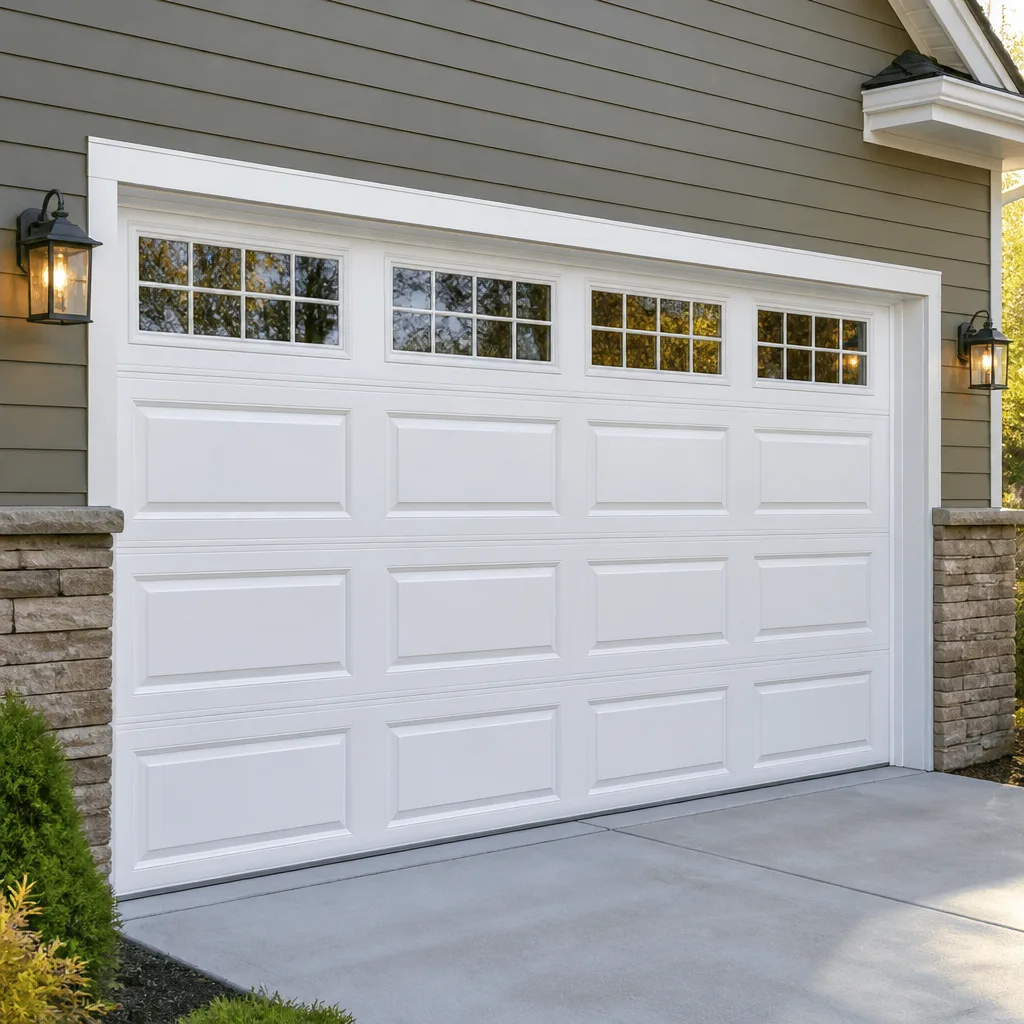 Raised-panel steel
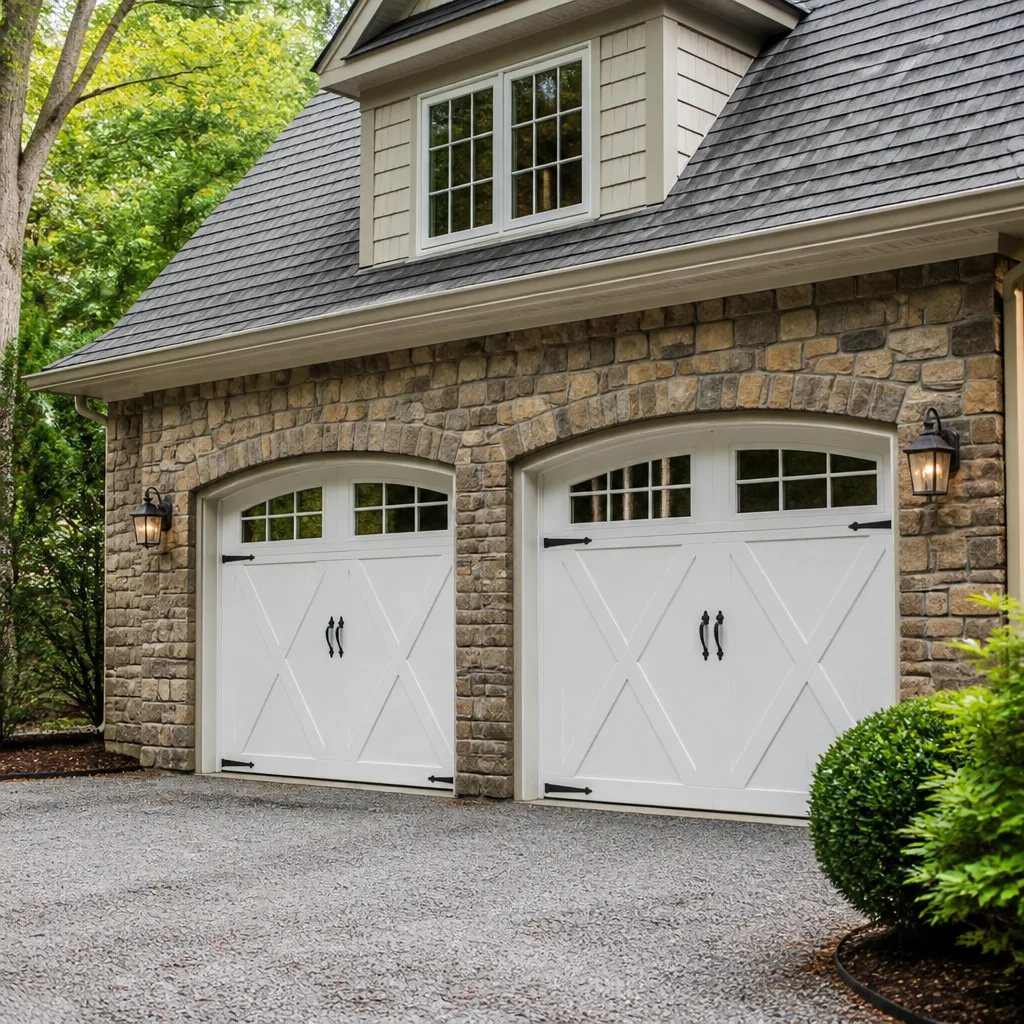 Carriage house
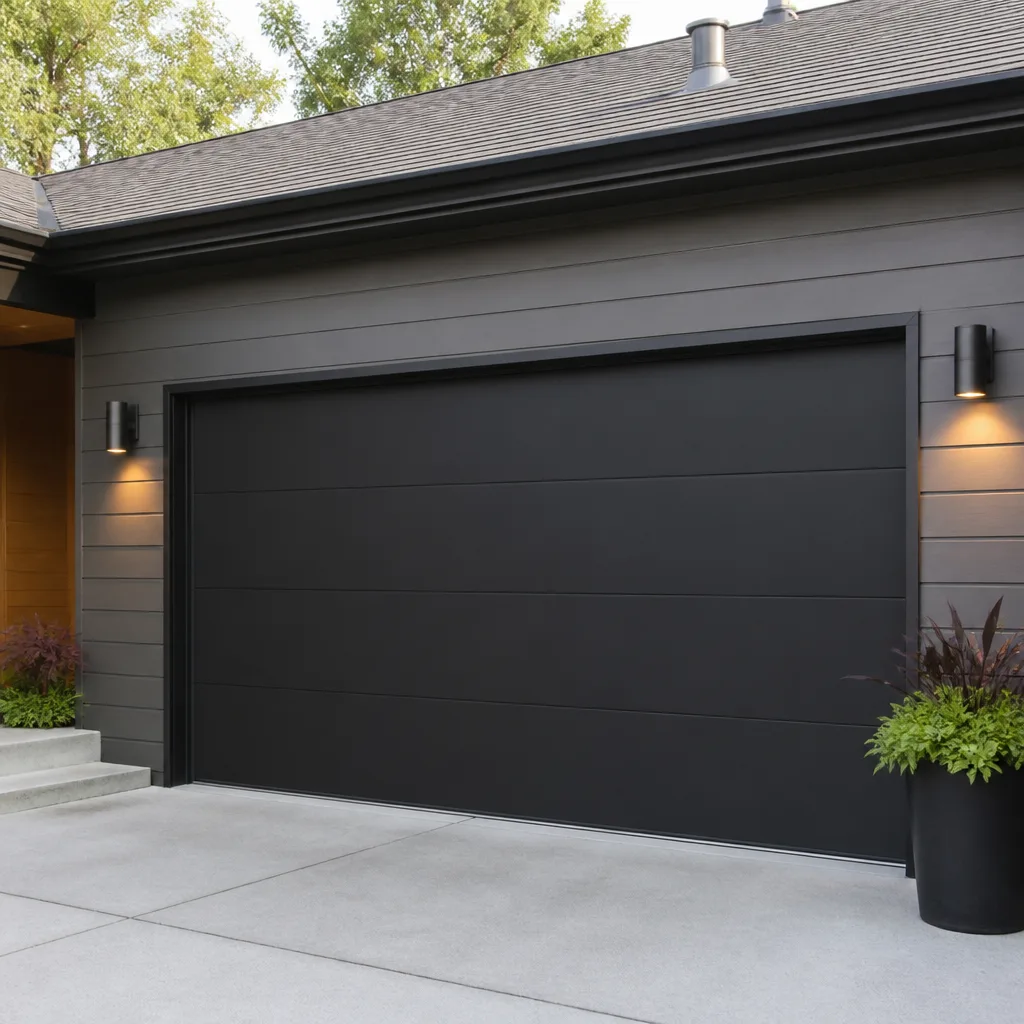 Modern flush
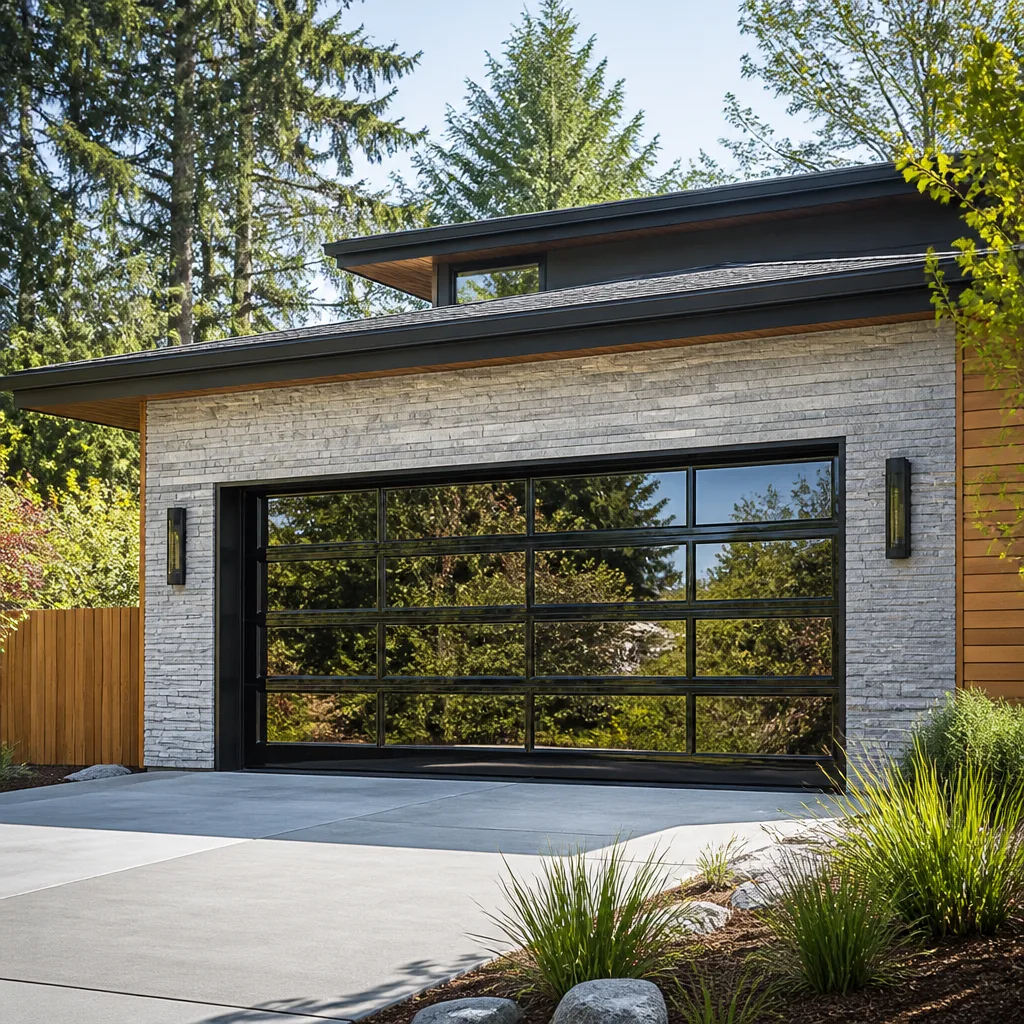 Full-view glass
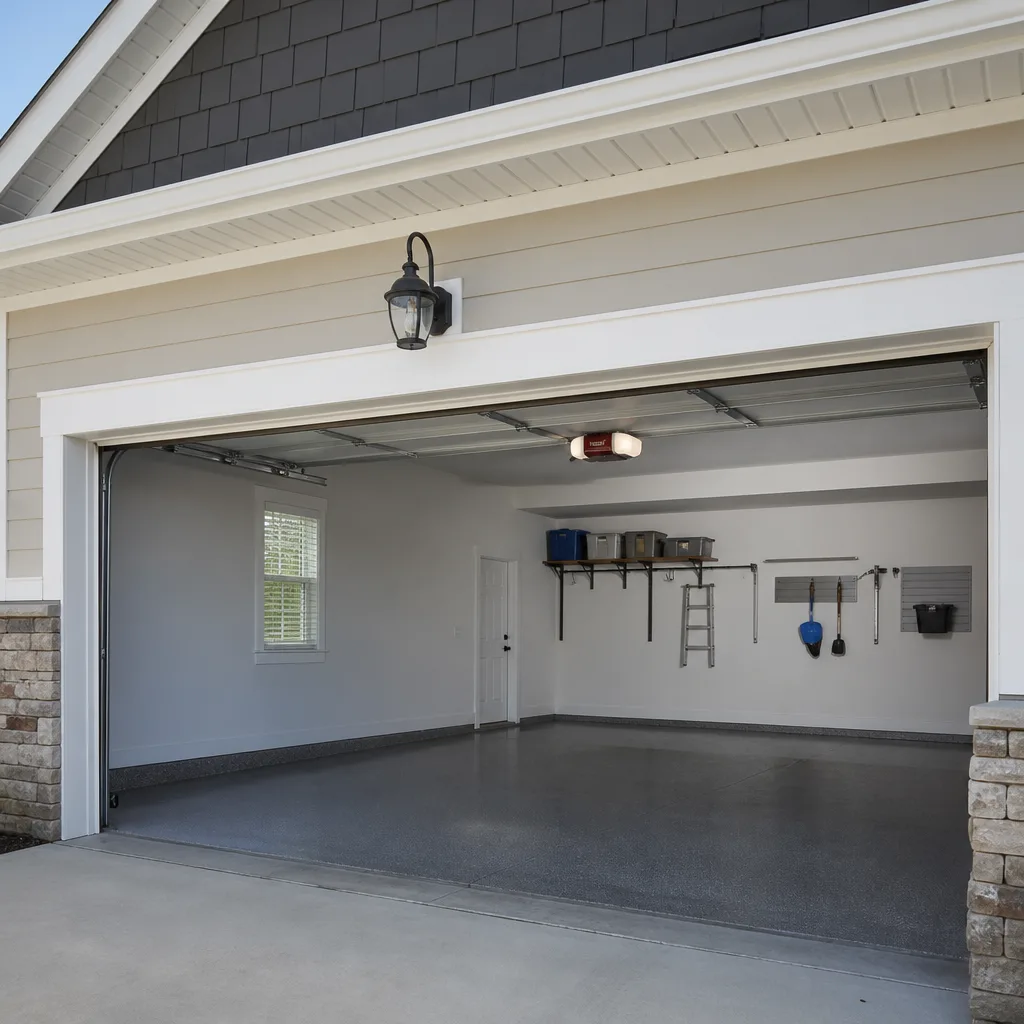 LiftMaster openers
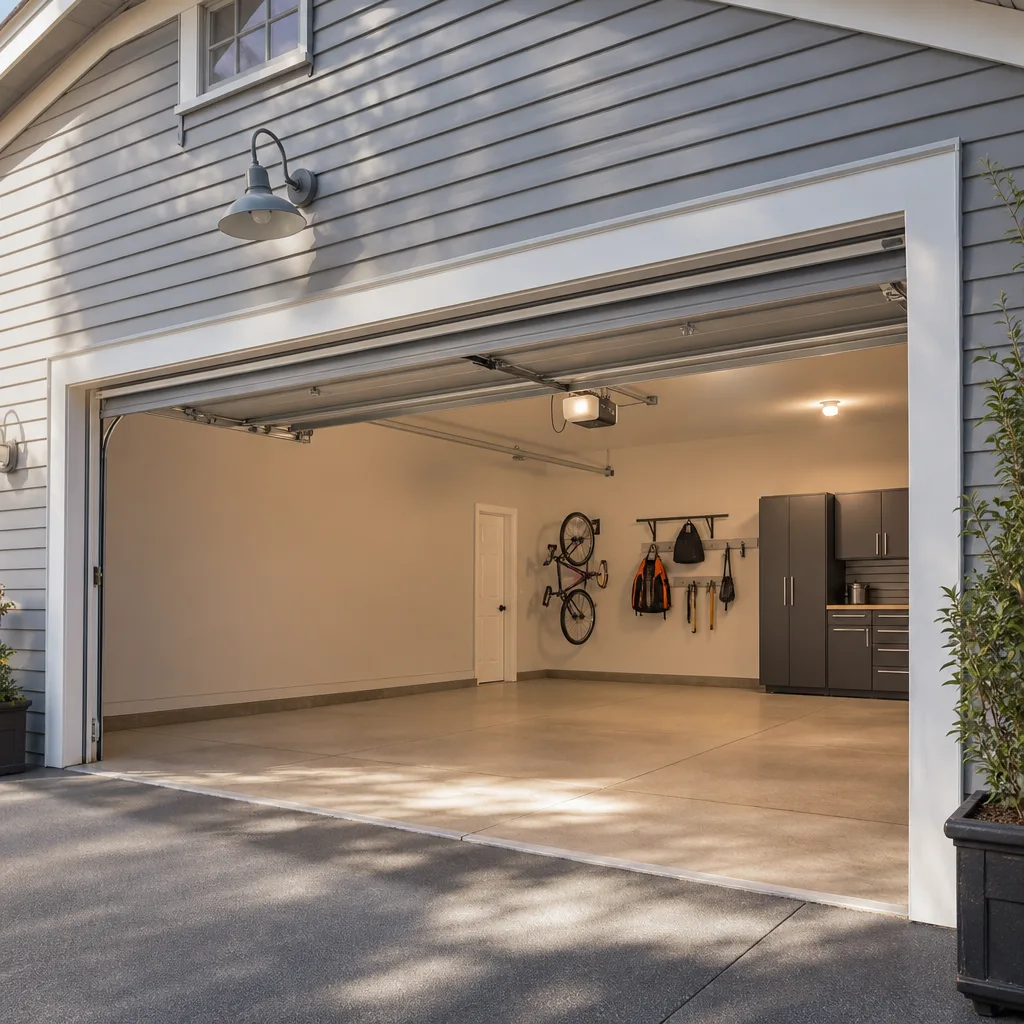 Chamberlain openers
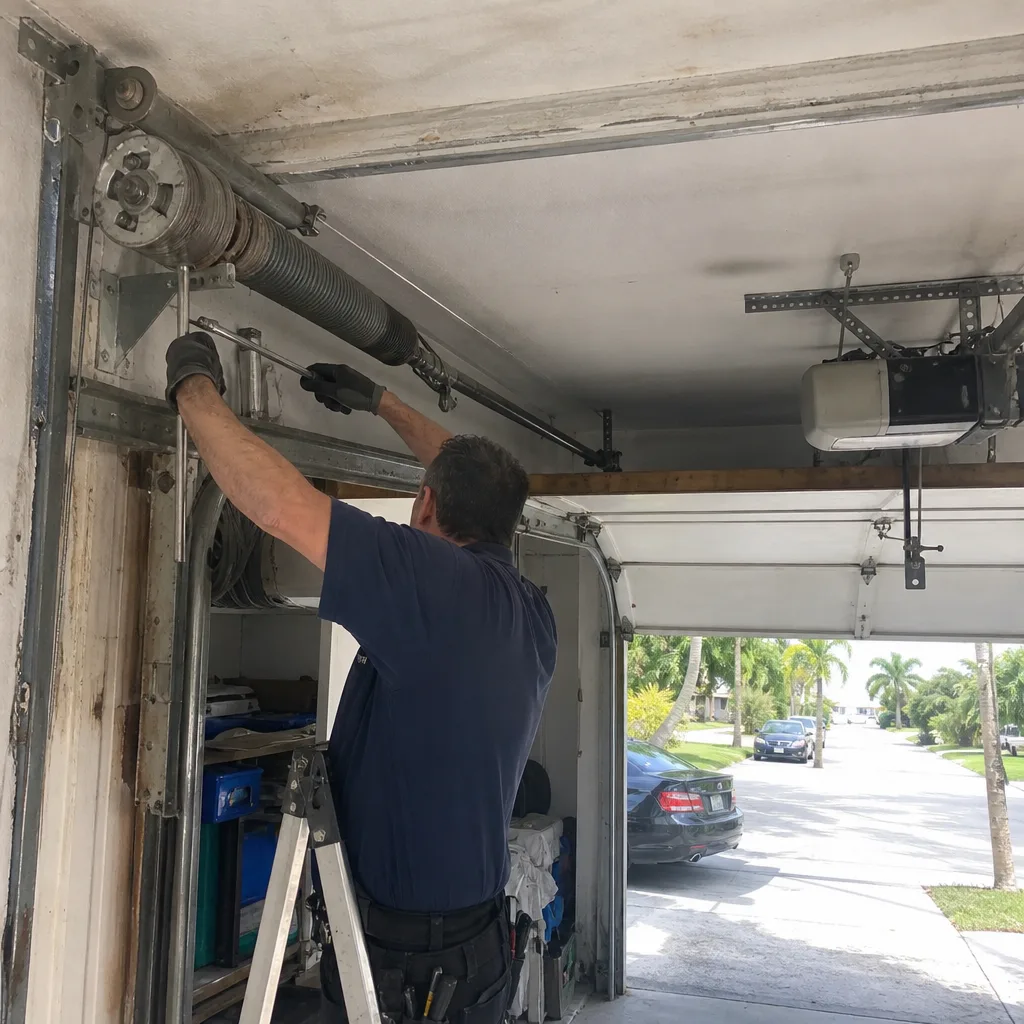
Full 25-point door and opener safety check with every visit - springs, cables, rollers, tracks, and your LiftMaster or Chamberlain opener included
You get a price before we start. It does not change when the truck arrives.
Get your free estimateChoosing the Right Garage Door Brand: A Buyer’s Guide for Miami Beach
The “best” garage door brand in a national consumer magazine is not necessarily the best brand for a home three blocks from the Atlantic. Salt air, hurricane wind loads, and Miami-Dade County’s product approval process change the math completely. What ranks first in a controlled lab test in Ohio means little when your door spends every August afternoon facing 40 mph gusts off Biscayne Bay. This guide explains how to evaluate garage door brands the way a Miami Beach repair technician does: by coastal durability, local code approval, and what happens when something breaks three years from now. For a deeper dive, see The Complete Garage Door Repair Guide for Miami Beach Homeowners.
Quick Answer
The right garage door brand for a Miami Beach home is whichever manufacturer offers a specific model with a Miami-Dade NOA (Notice of Acceptance) product approval, coastal-grade hardware as standard equipment, and a local South Florida parts distribution network. Clopay, Amarr, and Wayne Dalton all make excellent doors, but the model-level specification matters more than the logo on the panel. We recommend narrowing your search to approved models first, then comparing steel gauge, paint system, and hardware corrosion resistance within that approved list.
Styles & brands we work with
Table of Contents
- The Coastal Reality: Why Miami Beach Changes Brand Rankings
- Miami-Dade NOA Approvals: The Filter Most Buyers Skip
- Coastal Hardware: Marine-Grade vs. Standard
- Brand-by-Brand: Clopay, Amarr, and Wayne Dalton in Salt Air
- Parts Availability: The Repair Cost You Don’t See Coming
- Why Model-Level Specs Beat Brand Loyalty
- How to Evaluate a Specific Garage Door Model: 6 Steps
- Common Mistakes to Avoid
- When to Call a Professional
- Frequently Asked Questions
The Coastal Reality: Why Miami Beach Changes Brand Rankings
Garage door brand comparisons written for national audiences test panels in neutral conditions. A door that performs beautifully in a climate-controlled showroom or a dry suburban garage faces a different reality in Miami Beach. We replace rusted bottom brackets, corroded track assemblies, and delaminating panel edges on doors from every major manufacturer, and the pattern is consistent: the failure rate tracks the hardware specification, not the brand name.
Three environmental factors make Miami Beach the most demanding garage door market in the continental United States. First, airborne salt from the Atlantic accelerates corrosion on any exposed metal component, especially hinges, rollers, springs, and track brackets. Second, high humidity combined with heat cycles causes paint systems to break down faster at panel seams and edges. Third, hurricane wind-load requirements mean installations must meet Miami-Dade County’s High Velocity Hurricane Zone (HVHHZ) standards, which apply to the barrier island and most of coastal Miami-Dade.
What this means for brand selection is straightforward: you are not choosing between good and bad brands. You are choosing between specific models that either were or were not engineered and approved for this environment. A national “best buy” rating for a door that lacks Miami-Dade approval is irrelevant to a homeowner in Miami Beach, because that door cannot legally be installed here in most cases.
Miami-Dade NOA Approvals: The Filter Most Buyers Skip
Miami-Dade County maintains a public database of product approvals called NOAs, or Notices of Acceptance. Every garage door installed in Miami Beach must carry an active NOA specific to the product line and, in most cases, the exact model and size configuration. This is not a recommendation, it is a code requirement. Yet most brand comparison guides never mention it, because most guides are written by dealers in markets where wind-load codes do not exist. For the full picture, read The Complete Guide to Garage Door in Miami Beach.
Here is the implication most homeowners miss: not every model from a top-tier brand is approved for Miami-Dade. Clopay, Amarr, and Wayne Dalton all manufacture doors with Miami-Dade NOAs, but each company’s approved lineup is narrower than its full catalog. A homeowner who falls in love with a specific Clopay design from a national website may discover that particular model is not approved for installation in Miami Beach, while a visually similar approved model sits one page over in the dealer’s spec book.
To check whether a specific model is approved:
- Ask the dealer or installer for the product’s NOA number. If they cannot produce one, walk away.
- Search the Miami-Dade County Product Control database online using the manufacturer name and product line.
- Confirm the NOA covers your specific door size and wind-load zone. Approval for a single-car door does not automatically extend to a double-car door of the same series.
- Verify the NOA is current. Approvals expire and are reissued; an expired NOA means the door cannot be permitted.
This single step eliminates a surprising number of otherwise attractive options and makes the remaining shortlist much easier to evaluate.
Coastal Hardware: Marine-Grade vs. Standard
The panel is what you see. The hardware is what fails first. In salt-air environments, the difference between a door that lasts 15 years and one that needs bracket and hinge replacement at year six comes down to whether the manufacturer ships marine-grade hardware as standard equipment or sells it as an upgrade.
Marine-grade, in the garage door context, typically refers to hardware that has undergone additional corrosion treatment: stainless steel or coated galvanized components, nylon or stainless rollers with sealed bearings, and fasteners rated for exterior coastal exposure. Standard hardware, by contrast, is zinc-plated or lightly galvanized, which is fine in most of the country and a corrosion risk in Miami Beach.
Here is the honest brand-by-brand picture, based on what we see in the field:
- Clopay: Offers coastal hardware packages on most of its premium lines. The hardware upgrade includes nylon rollers, heavier-duty hinges, and corrosion-resistant fasteners. However, the coastal package is an option on many models, not a default. You must ask for it by name.
- Amarr: Several Amarr product lines, particularly those marketed for coastal markets, include stainless or coated hardware as standard. The company’s Classica and Heritage lines have configurations approved for HVHHZ with the right hardware spec.
- Wayne Dalton: The company’s ThermoMark and Model 9800 lines offer coastal-rated options, but like Clopay, the marine-grade hardware is often an add-on rather than a default inclusion.
The practical takeaway: never assume a door listed as “Miami-Dade approved” includes coastal-grade hardware. The NOA covers wind-load performance. Corrosion resistance is a separate specification, and you need to confirm both before buying.
Brand-by-Brand: Clopay, Amarr, and Wayne Dalton in Salt Air
All three of the major door manufacturers operating in Miami Beach produce good products. The differences that matter show up in the specifics of steel gauge, paint chemistry, and finish warranty language.
Clopay is the largest residential garage door manufacturer in North America, and its lineup spans from builder-grade steel to premium wood-look doors. For Miami Beach, the relevant comparison points are steel gauge (thicker is better for dent resistance against wind-blown debris) and the paint system. Clopay uses a multi-stage powder coat on its upper lines, which holds up reasonably well in salt air when properly maintained. The company’s finish warranties vary significantly by line; premium doors carry longer coverage, while entry-level doors may carry limited finish protection.
Amarr builds doors that compete directly with Clopay at similar price points. Amarr’s strength in this market is consistency: many of its doors ship with heavier-gauge steel as standard compared to equivalently priced competitors. The company also offers a wide range of Miami-Dade approved configurations. Amarr’s paint systems on the mid-tier and above lines use a polyester topcoat that resists chalk and fade reasonably well in coastal sun.
Wayne Dalton has historically held a strong position in Florida’s coastal markets because of its involvement in hurricane-resistant construction. The company’s doors are common in Miami Beach condominium buildings and single-family homes alike. Wayne Dalton’s ThermoMark series, a steel sandwich door with a composite core, performs well in high-wind zones and offers solid insulation values, which matters when your garage doubles as a workshop or storage space in a hot climate.
The honest summary: none of these three brands has a decisive advantage across every category. Clopay offers the broadest design selection. Amarr tends to deliver better hardware specifications at entry-level price points. Wayne Dalton has deep experience with wind-load engineering. The right choice depends on the specific model and your priorities.
Parts Availability: The Repair Cost You Don’t See Coming
Every garage door will eventually need a spring, a panel, a roller, or a bracket replaced. The question is whether the part arrives in a few days from a local distributor or in three weeks from a factory in another state. In Miami Beach, where a non-functional garage door can mean an unsecured home entrance and a car trapped inside, that lead time matters.
Parts availability is a function of distribution networks, not brand quality. Here is what current South Florida reality looks like:
- Clopay maintains strong distributor relationships in South Florida. Most common Clopay parts, including replacement panels for current production models, are available within a few days through local channels.
- Amarr also has solid regional distribution. The company’s position as a major player in Florida’s new construction market means its parts pipeline is well stocked.
- Wayne Dalton parts availability in Miami-Dade is generally good for current models, though some older or discontinued series may require longer lead times for specialty components.
- Legacy and discontinued models from any brand present the real risk. A door installed 15 years ago may have panels that are no longer manufactured. In those cases, repair means either matching a used panel or replacing the door, which is a conversation worth having before you buy.
At Bayside Garage Door Repair, we service all eight of the major garage door and opener brands, including garage door repair in Miami Beach customers with Clopay, Amarr, Wayne Dalton, and older systems. The brand-agnostic approach matters here: a shop tied to one manufacturer has an incentive to recommend replacement over repair when parts for another brand take longer to source. We would rather tell you the honest lead time and let you decide.
Why Model-Level Specs Beat Brand Loyalty
Brand reputation is a shortcut, and in most product categories it works reasonably well. Garage doors in Miami Beach are the exception, because the approval requirement and the coastal environment override brand-level generalizations. If you’re weighing whether to handle issues yourself, see DIY vs Professional Garage Door: The Miami Beach Homeowner’s Decision Guide. A premium brand’s budget line may be objectively worse for this market than a mid-tier brand’s coastal-focused model.
Consider two hypothetical doors at the same price point: a Clopay entry-level steel door without a Miami-Dade NOA, and an Amarr mid-tier door with an active NOA and marine-grade hardware. The Clopay is from a “better” brand in some consumers’ minds, but it cannot be legally installed in Miami Beach, and if it somehow were, its hardware would corrode faster in salt air. The brand comparison was irrelevant; the specification comparison was decisive.
This is why we tell Miami Beach homeowners to evaluate doors from the specification backward. Start with the approval. Confirm the hardware. Compare the steel gauge and paint system. Then, and only then, consider the brand name. The logo is the last variable, not the first.
How to Evaluate a Specific Garage Door Model: 6 Steps
When a Miami Beach homeowner asks us to help them choose a door, we walk through the same evaluation sequence every time. It is not complicated, but skipping any step invites a problem down the line.
- Verify the NOA. Ask for the Notice of Acceptance number and confirm it is current and covers your door size and wind zone. No NOA, no purchase.
- Confirm coastal hardware. Ask whether marine-grade hinges, brackets, and fasteners are standard on this model or an add-on. If an add-on, get the cost in writing before comparing prices between models.
- Check the steel gauge. For steel doors, 24-gauge is the minimum we recommend for Miami Beach. 25-gauge and thinner doors dent more easily from wind-blown debris and cost more to maintain over time.
- Review the paint and finish warranty. Salt air accelerates fade and chalk. Compare the finish warranty language between models, and ask specifically whether it covers coastal environments. Some warranties exclude salt-exposure damage.
- Ask about parts lead time. Have the dealer or installer confirm, in writing, the typical lead time for a replacement panel and spring for that exact model through South Florida distribution.
- Get a comparative quote for installation. The door price is only part of the total. Installation labor for garage door installation in Miami Beach varies by track configuration, opener compatibility, and whether you are replacing an existing door or installing in new construction.
Following this sequence takes about 30 minutes of research and phone calls. It will save you from the most common and most expensive purchasing mistakes we see.
Common Mistakes to Avoid
- Buying a door without a Miami-Dade NOA. This is the most common and most costly mistake in Miami Beach. If the door is not approved, it cannot be permitted, and an unpermitted installation can create problems at sale time and with insurance claims after a storm.
- Assuming coastal hardware is included. Many manufacturers list marine-grade hardware as an option. If you do not ask, you do not get it, and the standard hardware will corrode faster than you expect.
- Comparing doors by brand reputation instead of specification. The logo does not tell you the steel gauge, the paint chemistry, or the hardware treatment. Compare specs, not brand names.
- Ignoring parts availability for the specific model. A door that requires a three-week factory order for a replacement panel is a different value proposition than a door with parts in a Miami warehouse. Ask before you buy.
- Choosing a door purely on appearance. Wood-look doors are beautiful, but some wood and wood-composite doors require more maintenance in salt air than steel alternatives. If you choose a wood-look door, confirm the finish is engineered for coastal conditions.
- Skipping the opener compatibility check. A new door may not work with your existing opener, especially if the door is significantly heavier or lighter than the old one. If you need garage door opener repair in Miami Beach or an opener replacement, factor that into the total project.
- Not getting the total price in writing before work starts. Every reputable installer in Miami Beach will quote the full installed price, including hardware upgrades and permit fees, before any work begins. If a quote seems vague or the installer resists putting numbers in writing, get a second opinion.
When to Call a Professional
Garage door selection, like Bayside Garage Door Repair work itself, benefits from professional guidance at specific decision points. If you are comparing models and find conflicting information about NOA status, call someone who works with these approvals regularly. If your existing door has a broken spring or a panel that needs replacement and you are weighing repair against replacement, an honest diagnostic from a brand-agnostic shop can save you thousands. And if you are buying new construction or replacing a door in a condo building with specific wind-load requirements, the code compliance details are too easy to get wrong without help. Bayside Garage Door Repair offers free estimates in Miami Beach – call (855) 674-1679.
Frequently Asked Questions
The best brand for Miami Beach is whichever manufacturer offers a specific model with an active Miami-Dade NOA, coastal-grade hardware, and good local parts availability. Clopay, Amarr, and Wayne Dalton all make strong contenders, but the model-level specification matters more than the brand name. Call (855) 674-1679 and we can help you compare approved models for your specific home.
No. The major national manufacturers, including Clopay, Amarr, and Wayne Dalton, all offer some Miami-Dade approved models, but the approved lineup is narrower than each company’s full catalog. A brand having one approved model does not mean all its doors are approved.
Miami-Dade approved garage doors in Miami Beach typically cost more than equivalent non-approved doors due to wind-load engineering and heavier hardware requirements. The exact price depends on size, material, insulation level, and hardware specifications. Contact Bayside Garage Door Repair at (855) 674-1679 for a written quote on approved models that fit your home.
No. Garage doors installed in Miami Beach must meet Miami-Dade County HVHHZ requirements, which require an active NOA for the specific product. Installing a non-approved door violates code and can jeopardize insurance coverage and property resale.
A properly specified garage door with marine-grade hardware and a coastal-rated paint system can last 15 to 20 years in Miami Beach. A door with standard hardware in the same environment may show significant corrosion on brackets, hinges, and fasteners within 5 to 7 years, even if the panels remain structurally sound.
Before buying, verify the Miami-Dade NOA is current and covers your door size, confirm coastal-grade hardware is included or priced separately, check the steel gauge, review the finish warranty for coastal coverage, ask about parts lead time for that model, and get the total installed price in writing. Call (855) 674-1679 for guidance through this process.
The Bottom Line
Choosing a garage door in Miami Beach is a specification exercise, not a brand loyalty test. Start with the Miami-Dade NOA, confirm coastal hardware, compare steel gauge and paint systems, and check parts availability before signing anything. The three major brands all produce doors that can serve a Miami Beach home well, but only when the specific model is approved and properly equipped. Bayside Garage Door Repair works with all of them, diagnoses what you have, and recommends honestly whether repair or replacement makes more sense. Call (855) 674-1679 for a free estimate.
Written by the team at Bayside Garage Door Repair, serving Miami Beach since 2014. Browse more guides & resources from our team.
See the difference
 Before
 After
 Before
 After
 Before
 After