
Last updated October 30, 2026
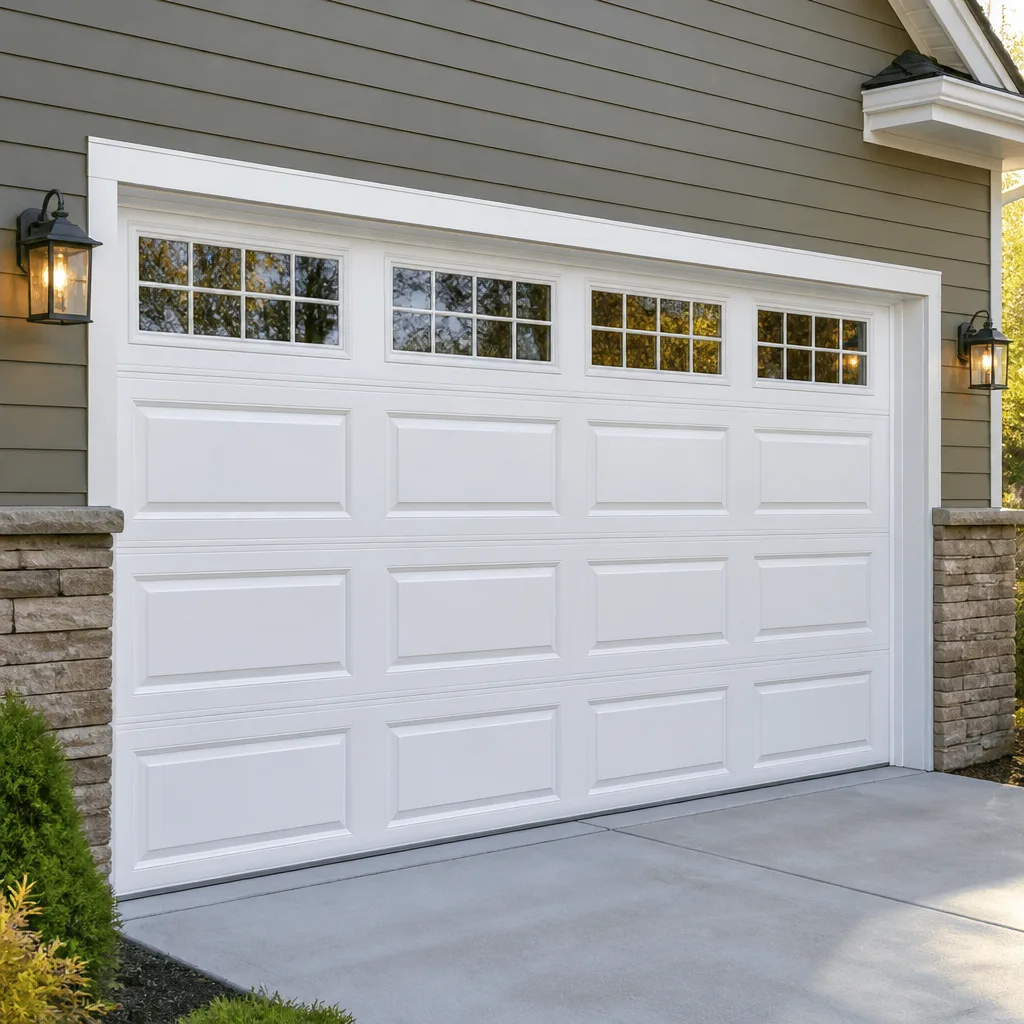 Raised-panel steel
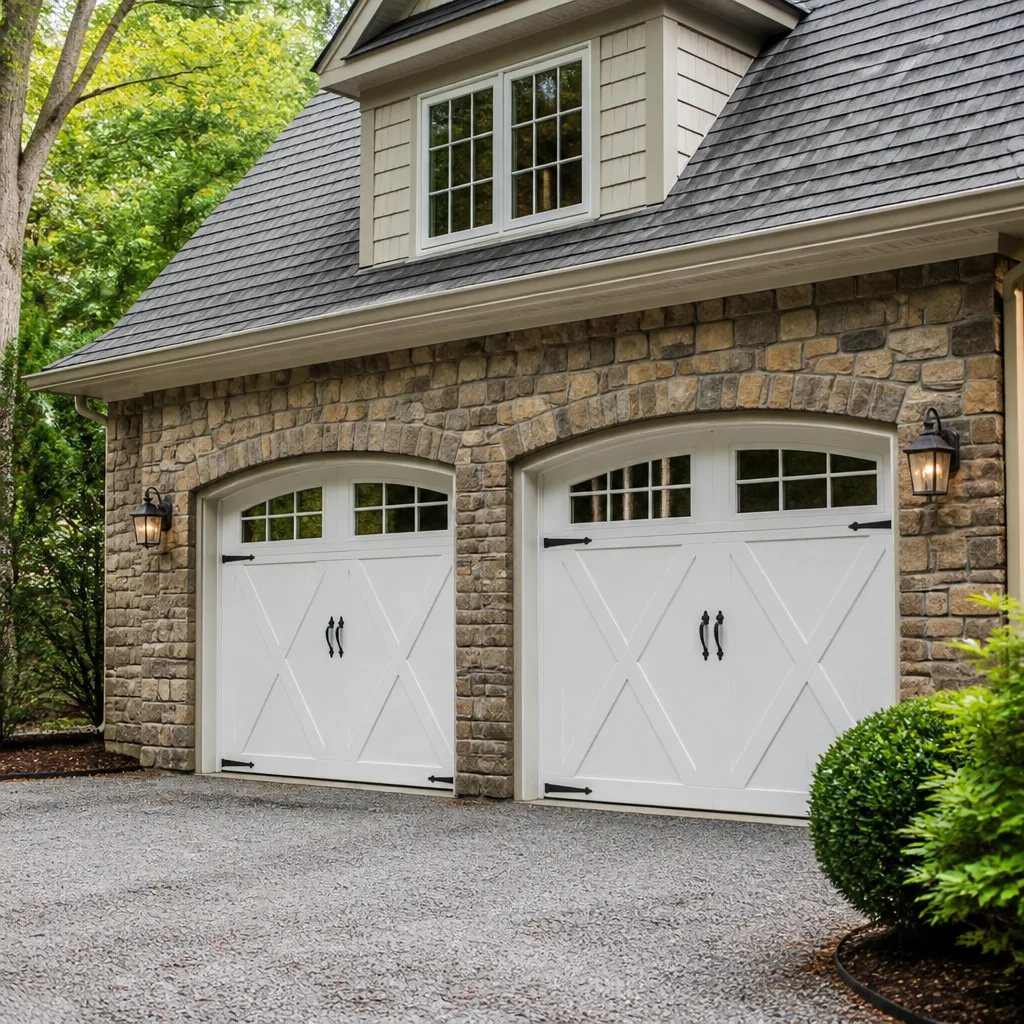 Carriage house
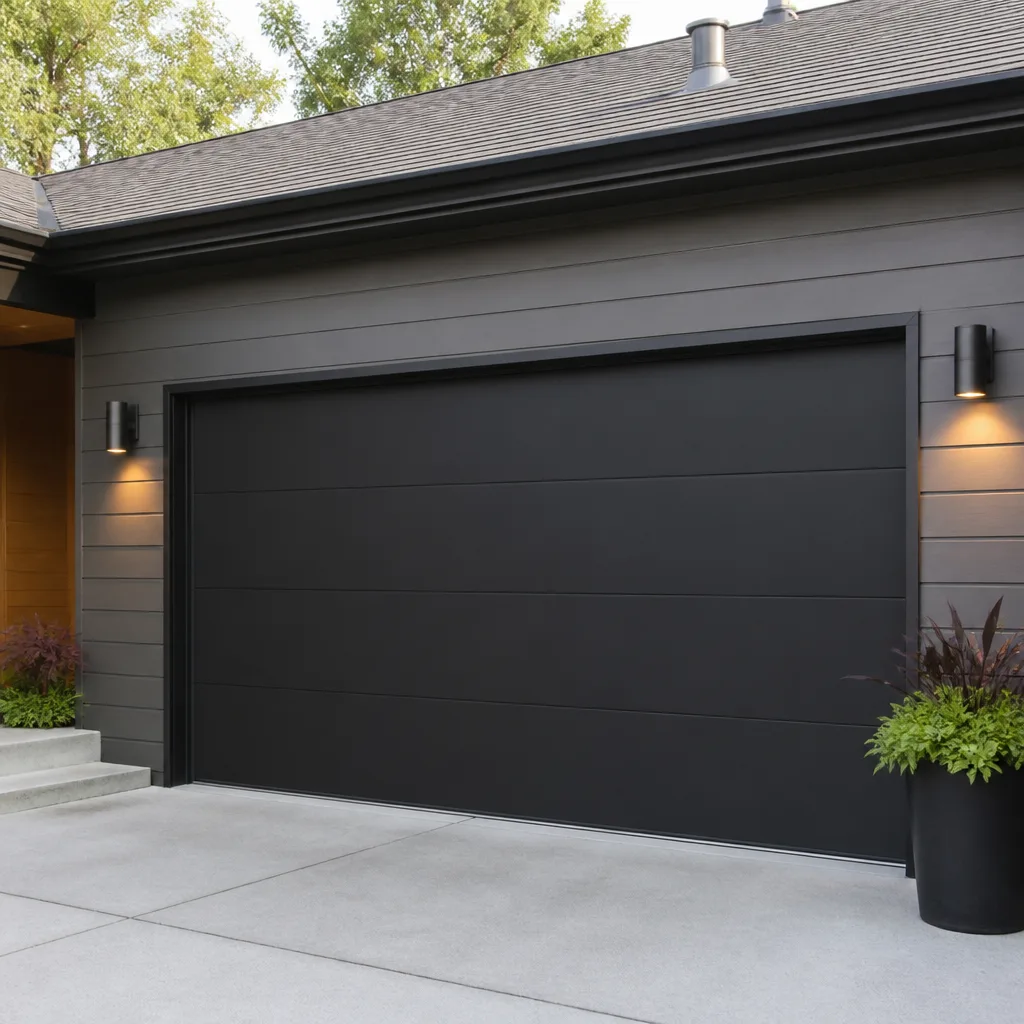 Modern flush
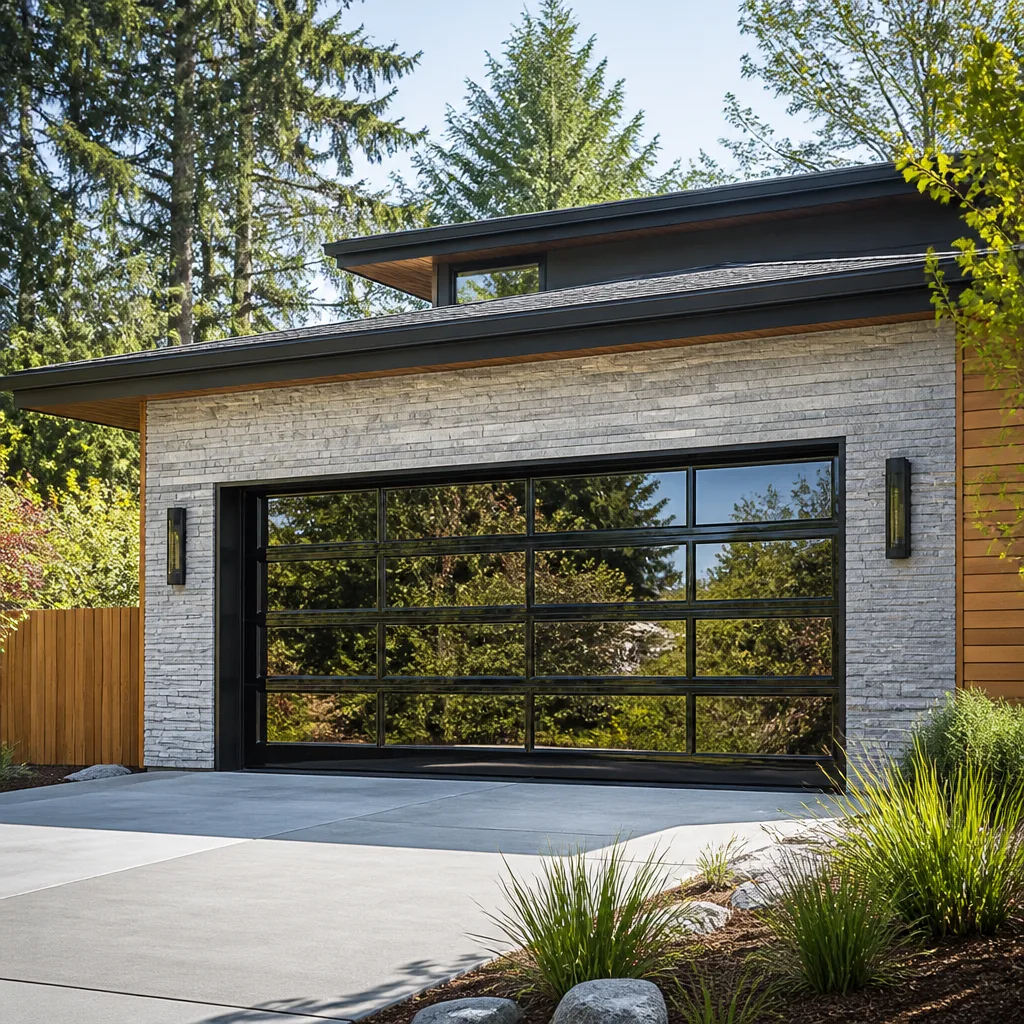 Full-view glass
 LiftMaster openers
 Chamberlain openers
Full 25-point door and opener safety check with every visit - springs, cables, rollers, tracks, and your LiftMaster or Chamberlain opener included
You get a price before we start. It does not change when the truck arrives.
Get your free estimateDIY vs Professional Garage Door: The Miami Beach Homeowner’s Decision Guide
Replacing a torsion spring is one of the most commonly watched DIY garage door videos online. It looks straightforward: unwind the old spring, wind the new one, done in an afternoon. But in Miami-Dade County, that same spring replacement on a permitted impact-rated door may void the door’s NOA (Notice of Acceptance) certification. That’s a defect you’d have to disclose when selling your home, and it’s the kind of detail no YouTube tutorial mentions. This guide draws the line between what’s genuinely safe to do yourself in Miami Beach and what Florida law, building code, and insurance contracts say belongs in licensed hands. For Garage Door Permits, Codes & Inspections in FL: What You Need to Know, see our dedicated breakdown.
Quick Answer
For a Miami Beach homeowner, the DIY vs. professional question comes down to one distinction: maintenance tasks like lubrication, weatherstripping, sensor alignment, and remote programming are safe and legal to do yourself, but anything involving springs, cables, panels, or opener installation on an impact-rated door requires a licensed professional under Florida Building Code and Miami-Dade permitting rules. Attempting structural repairs yourself can void your door’s NOA certification, trigger insurance claim denials, and cost more than hiring a specialist in the first place.
Styles & brands we work with
Table of Contents
- Florida Law and the Repair vs. Installation Line
- What Miami Beach Homeowners Can Safely DIY
- The South Florida Risk List: What You Should Never DIY
- How DIY Repairs Affect Your Florida Homeowner’s Insurance
- The Honest Cost Comparison: DIY vs. Professional
- Brand-Specific Considerations: Why Your Existing Equipment Matters
- Common Mistakes to Avoid
- When to Call a Professional
Florida Law and the Repair vs. Installation Line
Most homeowners assume “repair” and “installation” are interchangeable words. They aren’t. Under Florida Building Code chapter 1 and Miami-Dade County’s local amendments, the distinction determines whether a permit is required, whether a licensed contractor must perform the work, and whether the finished job can pass a future inspection.
The code draws the line this way: repair means restoring an existing component to its original condition without altering the structure, while installation means adding, replacing, or modifying a component in a way that changes the door’s assembly. Here’s how it breaks down in practice:
- Repair (no permit, but often still requires a licensed technician for safety-critical parts): Replacing a broken spring, cable, roller, hinge, or bracket on an existing door. Lubricating moving parts. Adjusting track alignment. Replacing weatherstripping.
- Installation (permit required in Miami-Dade when the door is part of the building envelope): Replacing an entire door panel or full door system. Installing a new opener on an impact-rated door. Swapping a non-impact door for a high-wind-rated model. Any work that changes the door’s wind-load classification.
The nuance most guides miss: even “repair” work on a spring or cable assembly falls under Florida Statute 489, which requires a license for any work that affects the structural or mechanical integrity of a building component. A torsion spring isn’t a cosmetic accessory. It’s a loaded mechanical device holding hundreds of pounds of tension, and on an impact-rated door, it’s part of a certified wind-load assembly.
Here’s the practical takeaway we tell homeowners in Miami Beach: if the task involves springs, cables, panels, or the opener’s connection to a NOA-certified door, Florida treats it as contractor-scope work. If it involves cleaning, lubricating, aligning a photo-eye sensor, or programming a remote, you’re in DIY territory.
What Miami Beach Homeowners Can Safely DIY
Not everything requires a contractor. Some tasks are genuinely safe, legal, and worth doing yourself if you’re comfortable with basic tools and you follow the manufacturer’s instructions. These maintenance items keep your door running smoothly between professional services and don’t touch the structural or wind-load components.
- Lubricating moving parts. Use a silicone-based garage door lubricant on rollers, hinges, and the opener chain or screw drive. Do this every six months. In Miami Beach’s salt air, moving parts corrode faster than inland, so more frequent lubrication is smart. Avoid WD-40; it’s a solvent, not a lubricant, and it’ll strip the grease you need.
- Replacing weatherstripping. The rubber seal at the bottom of the door degrades under constant UV exposure and salt spray. This is a peel-out, press-in replacement that takes 20 minutes. It also directly affects how much humid air and rain gets into your garage during hurricane season.
- Aligning photo-eye sensors. If your door refuses to close and blinks an error code, the photo-eye sensors near the floor probably got bumped out of alignment. You can loosen the wing nut, adjust the sensor so the indicator lights are steady, and retighten. This is an electronic adjustment, not a structural one, so it’s safe DIY work.
- Programming remotes and keypads. Most modern openers from LiftMaster, Chamberlain, and Genie have a learn button on the motor unit. Programming a new remote or keypad is a simple matter of pressing that button and following the blinking light sequence. No tools needed, no code implications.
- Cleaning the tracks. Dust, sand, and salt grime accumulate in the vertical and horizontal tracks. Wiping them down with a dry cloth keeps rollers moving smoothly. Do not apply grease to tracks; it collects debris. If the track itself is bent or pulling away from the wall, that’s a repair call, not a cleaning task.
These five tasks cover about 90% of the “routine maintenance” homeowners ask about. If your door is making a grinding noise, the panels are misaligned, or the door hangs unevenly, that’s beyond DIY territory.
The South Florida Risk List: What You Should Never DIY
Some garage door tasks are dangerous anywhere. Others become dangerous specifically in Miami Beach because of wind-load requirements, impact-rated certifications, and the way salt air attacks metal components. Here’s the risk list we’ve assembled from years of seeing DIY attempts that went wrong.
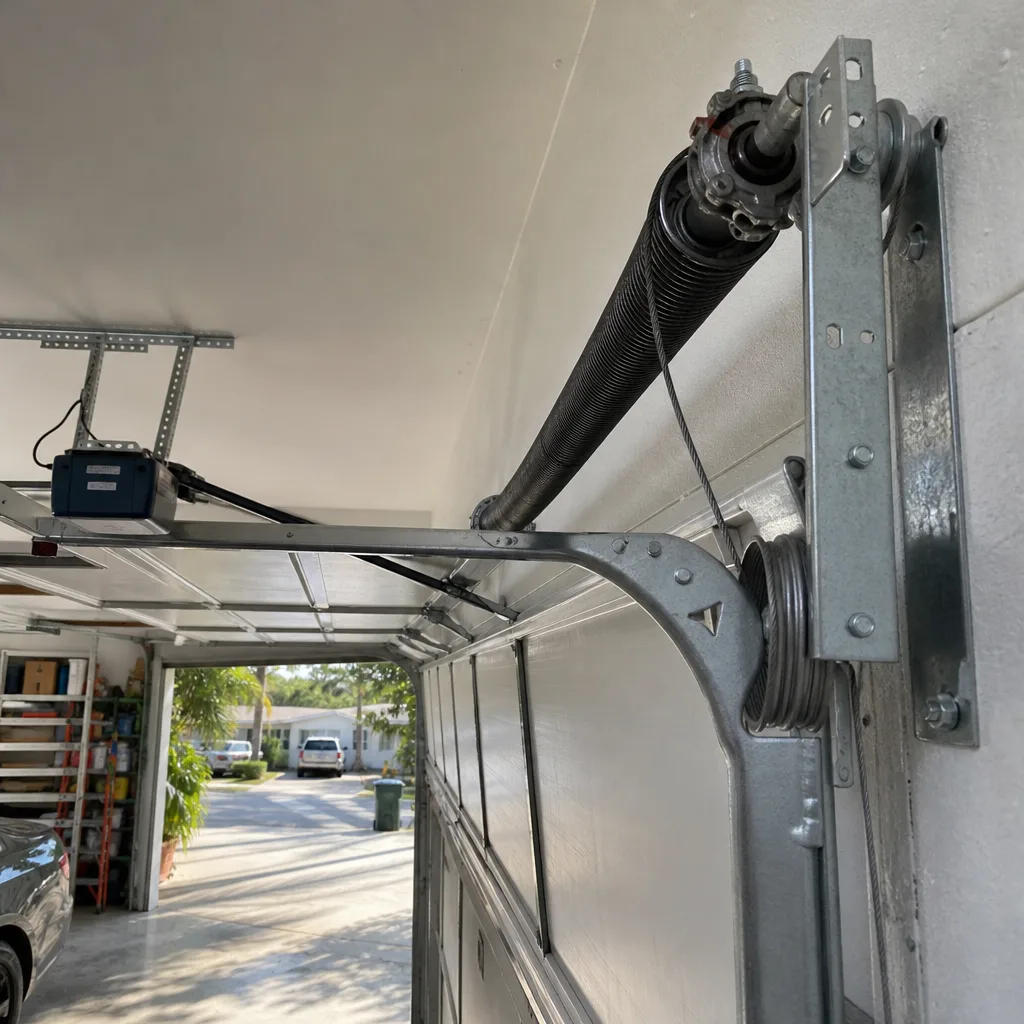
Torsion and extension spring replacement
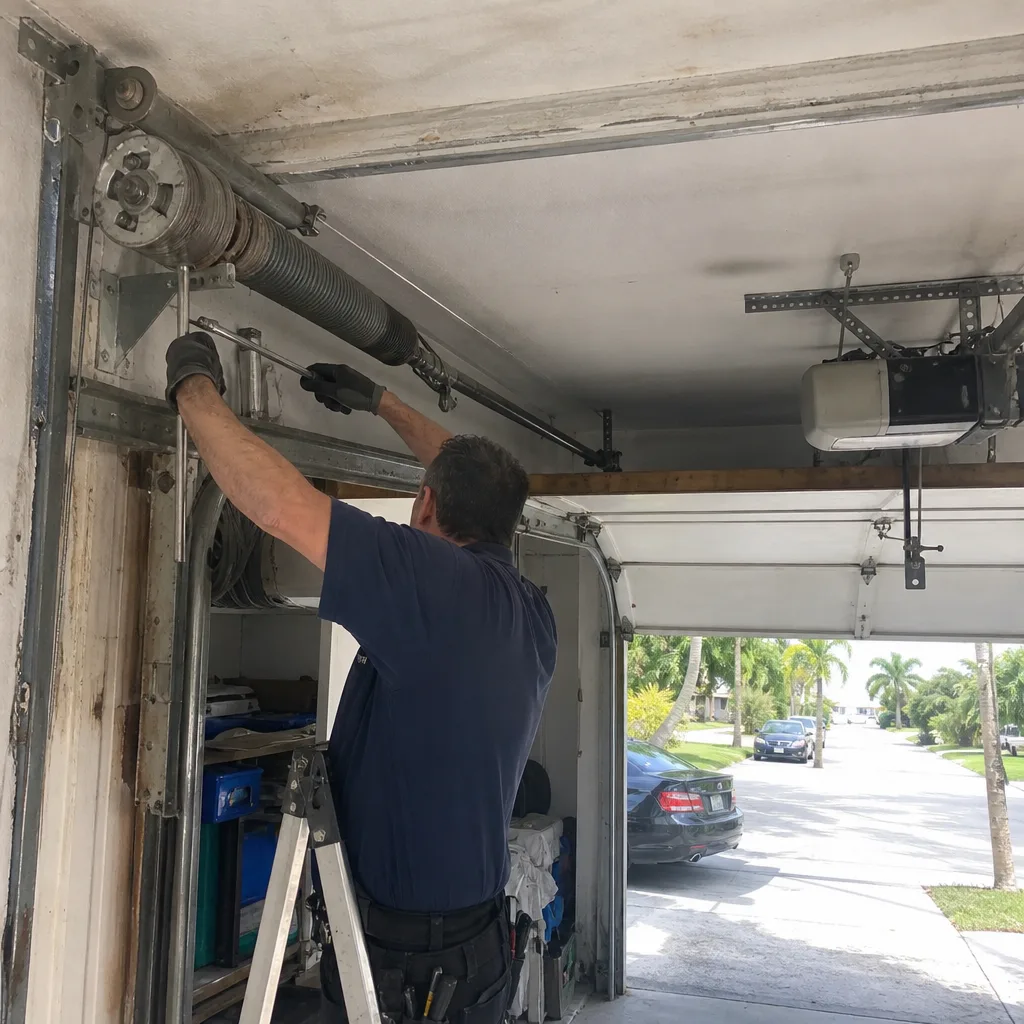
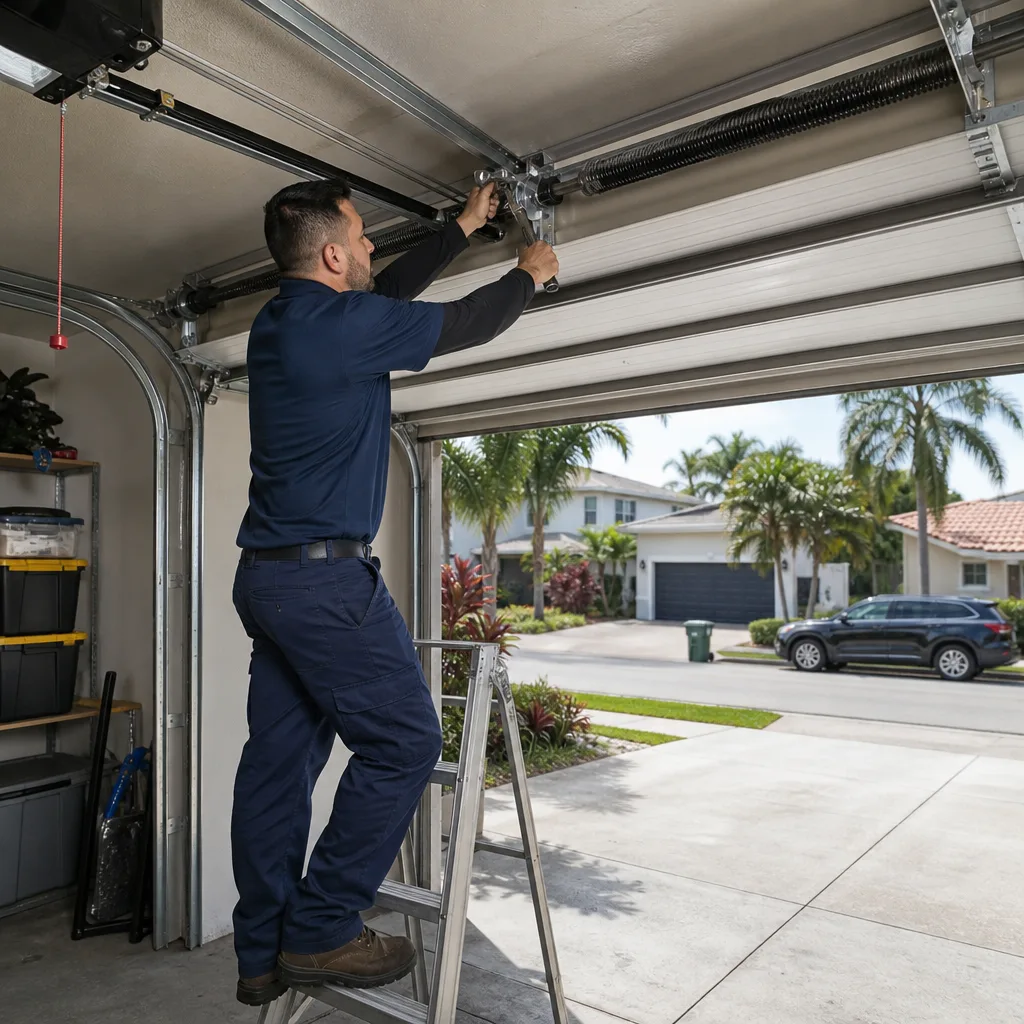
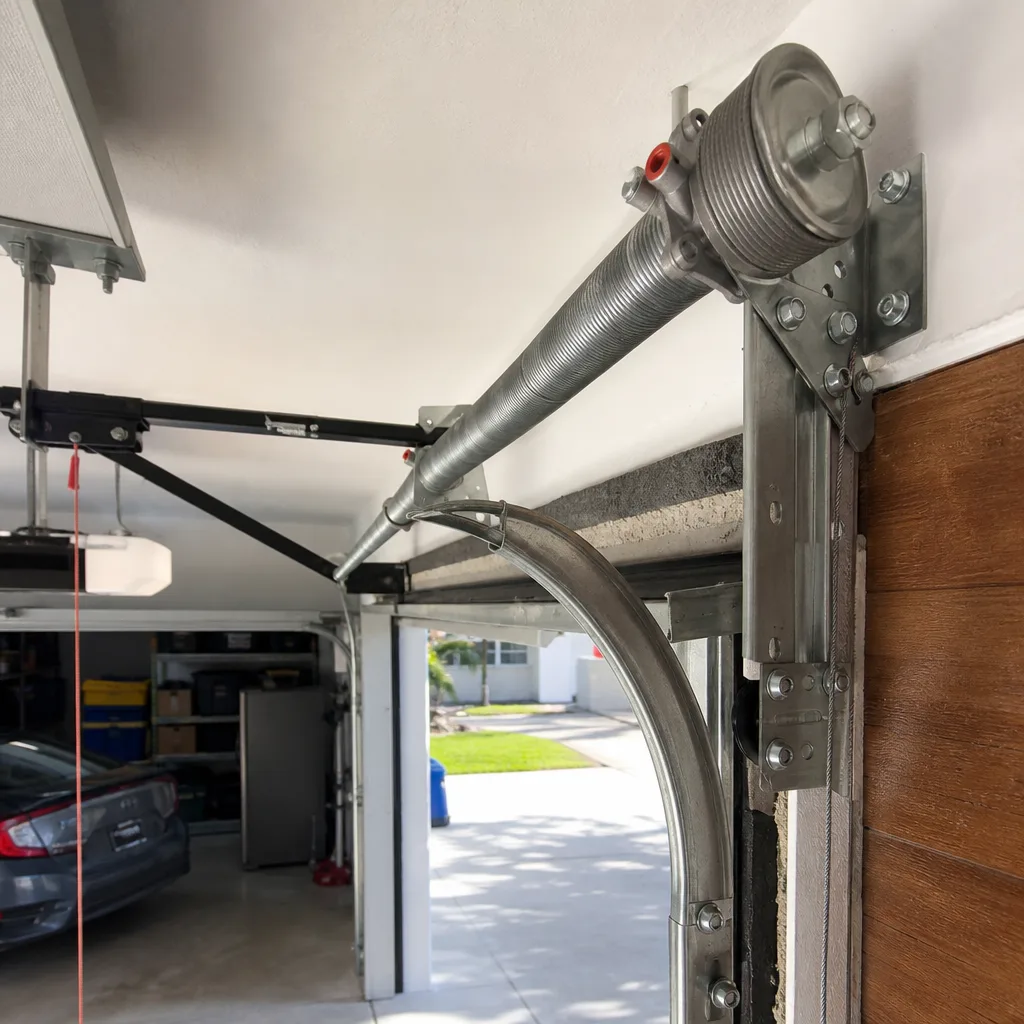
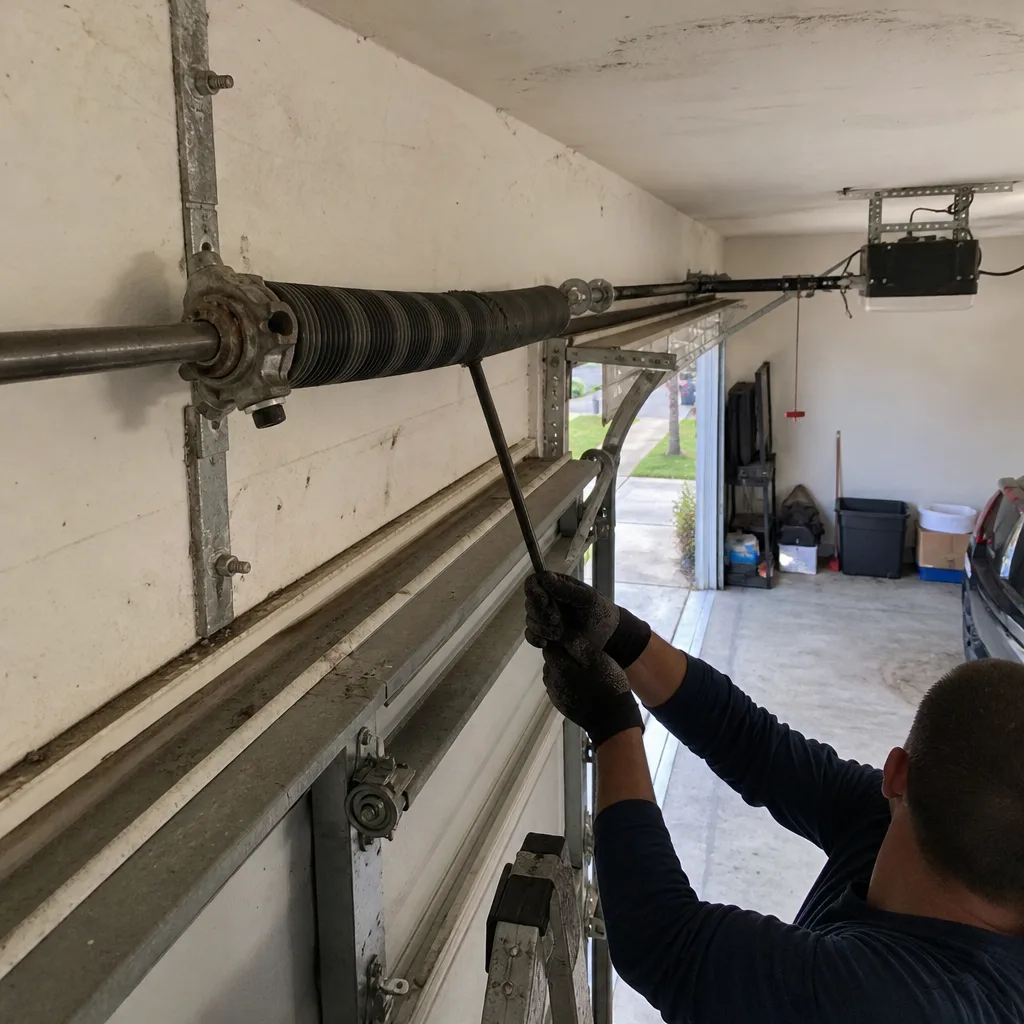
Torsion springs hold the weight of your door, typically rated for 10,000 cycles of open-and-close. When one breaks, the door becomes impossibly heavy, and the spring itself is under enough tension to cause serious injury if it snaps during removal. On an impact-rated door, the spring’s tension is calibrated to the door’s exact weight and wind-load specification. A mismatched spring on a Clopay or Amarr impact door compromises the door’s balance, which over-works the opener motor and can tear the door’s mounting hardware out of the header during a wind event. This is licensed-contractor work under Florida Statute 489.
Cable replacement
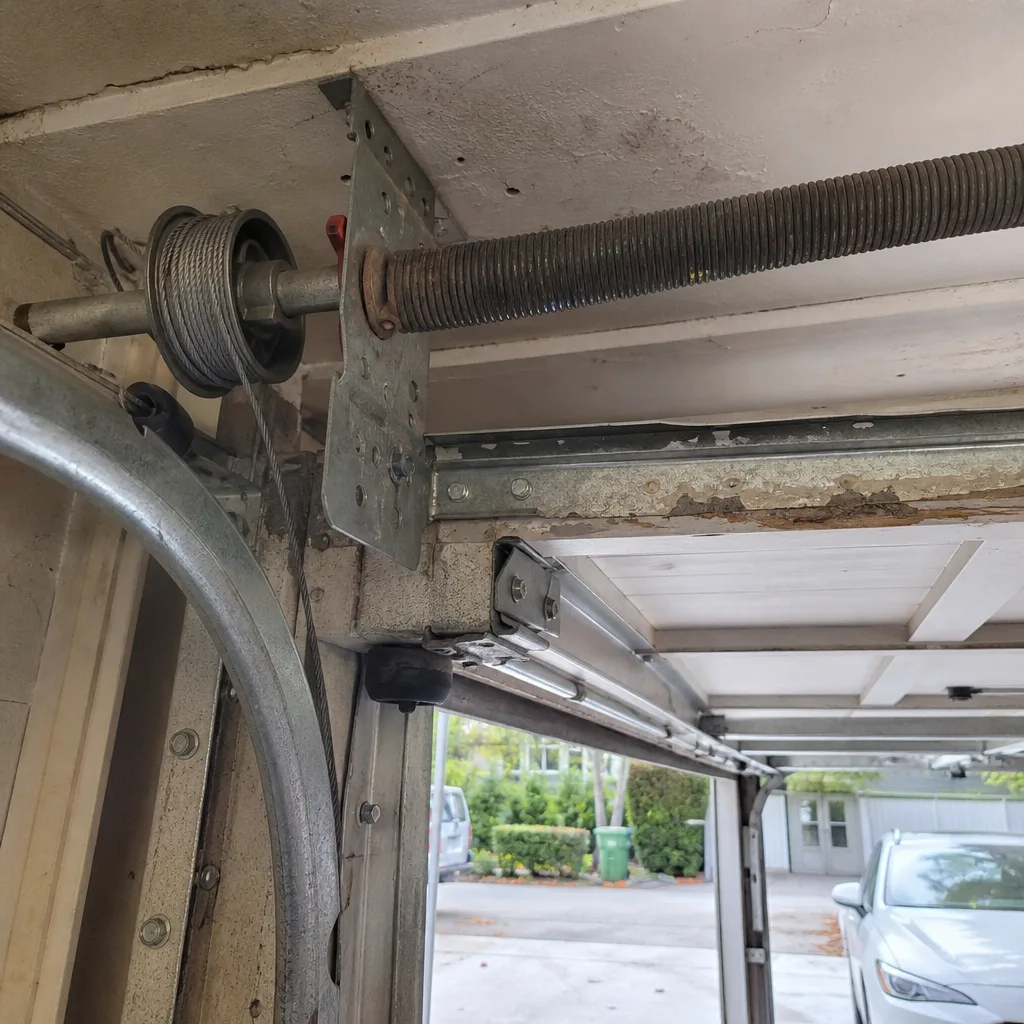
The cables that run through the springs and down to the bottom brackets are under the same tension as the springs themselves. A frayed cable is a sign of deeper wear. If a cable snaps while you’re working near it, it can take off a finger or cause a deep laceration. More common in Miami Beach: salt-air corrosion causes cables to fray at the bottom bracket, and homeowners don’t notice until the door is half-open and the cable lets go. That scenario is why you call a professional before it happens.
Panel replacement on impact-rated doors
If a car bumps into your garage door and dents a panel, the fix looks simple: unbolt the damaged panel, bolt in a new one. But on a high-wind-rated door, each panel is part of a tested assembly with a specific NOA number. Replacing a panel with a non-matching or incorrectly fastened one invalidates the entire door’s certification. Miami-Dade building officials can flag this at a future point-of-sale inspection. The repair itself is also genuinely dangerous: the panel you’re removing is load-bearing, and the door’s balance shifts the moment you unbolt it.
Opener installation on a NOA-certified door
Installing a garage door opener looks straightforward: hang the motor, attach the rail, connect the arm to the door. But on an impact-rated door, the opener’s attachment point, the force settings, and the safety reversal system must be calibrated to the door’s specific weight and wind-load rating. An over-powered opener can twist the top panel out of alignment. An under-calibrated safety reversal can cause the door to close on a child or pet without reversing. Florida building inspectors check these settings during permit inspections.
Track or hinge replacement on a high-wind door
When Miami-Dade approves an impact-rated garage door, that approval covers the entire assembly: panels, tracks, hinges, springs, cables, and the way they bolt to the surrounding structure. Replacing a hinge with a non-approved part, or re-bolting a track with different fasteners, technically creates a non-conforming assembly. The risk isn’t just regulatory; it’s structural. During a Category 3 storm, the difference between a door holding and a door failing can come down to a single hinge pin.
How DIY Repairs Affect Your Florida Homeowner’s Insurance
Florida property insurance is already among the most expensive in the nation. The last thing any Miami Beach homeowner wants is a claim denied because a DIY repair technically voided the door’s wind-load certification.
Here’s the clause that matters: most Florida homeowner’s policies include language requiring that any structural repair or replacement be performed by a licensed contractor to a standard that meets current building code. If you replace a torsion spring yourself, and then a hurricane blows the door in, the insurance adjuster isn’t going to check the spring. But if the door failed at a hinge or panel seam you also worked on, the denial risk is real and documented.
The specific clauses to understand:
- The “Concealment or Fraud” clause. If you DIY a repair, don’t disclose it, and the insurer later discovers the work wasn’t performed by a licensed contractor, the insurer can argue concealment and deny the claim retroactively.
- The “Maintenance Duty” clause. Florida insurers require homeowners to maintain their property in a wind-resistant condition. A broken spring that goes unrepaired for months isn’t a maintenance issue. A spring you replaced incorrectly, and which then fails, is a failure to meet the maintenance standard.
- The wind mitigation inspection. Many Miami Beach homeowners carry wind mitigation credits that lower their premiums. Those credits are based on a certified inspector verifying that the garage door meets Miami-Dade’s wind-load standards. A DIY repair that changes the door’s assembly can fail a re-inspection, and the premium increase that follows could dwarf whatever you saved on the repair.
We’re not saying every DIY task triggers an insurance problem. Changing a remote battery or lubricating a roller is invisible to an insurance policy. But spring replacement, cable work, and panel swaps on impact doors are the exact tasks insurance adjusters look at after a hurricane claim. If the work wasn’t done by a licensed contractor, you’re handing the insurer a reason to pay you less.
The Honest Cost Comparison: DIY vs. Professional in Miami Beach
The DIY pitch always starts with the same math: a torsion spring costs $60 to $120 online, so why pay a professional? The honest answer involves tools, time, permit risk, and the probability of doing the job twice.
Here’s a realistic breakdown for a spring replacement on a standard double-car garage door in Miami Beach:
| Cost Item | DIY Estimate | Professional Estimate |
|---|---|---|
| Spring(s) for the door | $60 – $120 | Included in service price |
| Winding bars (specific to torsion springs) | $25 – $40 | Included |
| Other tools (vice grips, socket set, etc.) | $30 – $80 if not owned | Included |
| Time (learning + executing for first-timer) | 4 – 8 hours | 45 – 90 minutes |
| Risk of incorrect spring rate or winding | High (50%+ for first-timers) | Low (licensed technician with brand training) |
| Permit or code violation risk | Present on impact-rated doors | None (licensed contractor handles compliance) |
| Warranty | None (parts warranty only, void if misinstalled) | Workmanship warranty included by most reputable shops |
The cost gap narrows quickly. Once you buy the springs, the winding bars you’ll use once, and the replacement parts you’ll need when the first attempt goes sideways, a professional spring replacement often lands within $100 to $200 of the DIY total. For that margin, you’re buying licensed workmanship, code compliance, and the knowledge that your door will balance correctly for the next 10,000 cycles.
On opener installation, the DIY savings are even thinner. A new Chamberlain or LiftMaster smart opener costs $150 to $300 at retail. Professional installation typically adds $150 to $250. But a professional installation on an impact-rated door includes the force calibration, safety reversal testing, and photo-eye alignment that Miami-Dade inspectors check. The DIY version skips all of that, and the resulting improper calibration is a leading cause of opener motor burnout within the first year.
The real cost conversation isn’t about the parts. It’s about the redo probability. If a DIY spring replacement fails in six months because you guessed wrong on the spring rate, you’ve now paid for the springs twice, bought tools you’ll never use again, and spent a weekend under a door that could have fallen. That’s not saving money. That’s paying tuition.
Brand-Specific Considerations: Why Your Existing Equipment Matters
One advantage professional service offers that DIY guides can’t: diagnostic fluency across brands. Most YouTube tutorials assume a generic door. Real Miami Beach garages have Clopay doors with Amarr hardware, or a Chamberlain opener paired with a Wayne Dalton door, or a 15-year-old Genie screw-drive opener that hasn’t been manufactured since 2009.
The brand mix matters because parts compatibility isn’t universal. A LiftMaster spring isn’t interchangeable with a Genie spring. An Amarr impact door uses specific hinge geometries. A Clopay high-wind door uses heavier-gauge tracks than a standard door. When a homeowner guesses at parts, the result is usually an imbalance that wears out the opener motor or causes the door to bind midway through the cycle.
This is why we’re brand-agnostic. Our technicians work with the brand you already have, whether that’s a Chamberlain opener, a Clopay door, an Amarr panel, or a Genie motor. Diagnose first, replace only if necessary. In practice, that means we’ll tell you when a $40 gear kit fixes your Genie opener instead of selling you a $350 replacement motor. It means we’ll match the spring rate to the actual door panel weight, not to a generic chart. And it means the parts we install are compatible with the system you already own, not with the system a sales sheet prefers.
Miami Beach’s building stock compounds this. Many homes in the North Beach and Mid-Beach corridors were built or renovated after Hurricane Andrew, when Miami-Dade adopted the strictest wind-load standards in the country. That means the doors on those homes are impact-rated assemblies, often from Clopay or Amarr, and they don’t take generic replacement parts. A door installed in 2015 under a specific NOA number needs replacement hardware that matches that certification. A generalist handyman won’t know that. A specialist who works with these brands daily will.
If you’re thinking about a full new door installation, the brand question flips. You get to choose. Our Garage Door Installation in Miami Beach guide covers the Clopay and Amarr lines from builder-grade to premium, including the wind-load ratings Miami-Dade requires. For now, the point is simpler: the brand already on your garage is the brand we know how to fix.
Common Mistakes to Avoid
- Assuming all garage door videos apply to Miami Beach code. Most DIY content is produced in states without Florida’s wind-load requirements. A spring replacement that’s legally fine in Texas may void a NOA certification in Miami-Dade. Always check whether the task you’re watching applies to a high-wind-rated door.
- Using the wrong lubricant. WD-40 and penetrating oils strip the grease from rollers and hinges, leaving metal-on-metal contact that accelerates wear. Use a silicone-based garage door lubricant, or white lithium grease on metal parts.
- Replacing one spring when the door has two. Torsion spring systems are typically paired. If one spring breaks, the other is near the end of its lifespan too. Replacing only the broken spring saves $60 today and guarantees another service call within a year.
- Disconnecting the opener and forcing a door that’s stuck. If the door won’t move, something is wrong: a broken spring, an obstruction in the track, or a bent panel. Forcing the door can tear the opener arm out of the top panel and drop the door suddenly. Stop and call.
- Buying parts by guesswork. “This spring looks about right” is the top cause of imbalanced doors we repair. Springs are rated by wire gauge, coil diameter, and length, all matched to your door’s exact weight. A close guess is still wrong.
- Skipping the safety reversal test. After any work near the opener or panel, test the auto-reverse by placing a 2×4 on the ground under the door and closing it. The door should reverse within two seconds of contact. If it doesn’t, the force settings are wrong and the door is unsafe. This is a code requirement in Miami-Dade.
- Ignoring rust on bottom brackets and cables. Salt air in Miami Beach corrodes cables and bottom brackets faster than inland locations. If you see rust or fraying, that’s not a cosmetic issue. It’s a failure in progress. Schedule a replacement before the cable snaps under load.
When to Call a Professional
You should call a licensed garage door contractor when any of these apply: the door is off-balance or hanging unevenly, a spring or cable has broken, a panel is dented or cracked on an impact-rated door, the opener is grinding or failing to lift, or the door won’t stay open or closed. In Miami Beach specifically, call before hurricane season to have your wind-load assembly inspected, especially if you haven’t had the door serviced in more than two years. The inspection itself is inexpensive, and catching a rusted cable or weakened spring in May is far better than discovering it during a September storm warning.
Bayside Garage Door Repair home offers free estimates in Miami Beach. We work with the brand you already have, from the opener motor to the panel itself, and we’ll quote the price before any work starts. Call (855) 674-1679.
See the difference
 Before
 After
 Before
 After
 Before
 After
Frequently Asked Questions
No. Torsion and extension spring replacement on residential garage doors falls under Florida Statute 489, which requires a licensed contractor for work that affects the structural or mechanical integrity of a building component. On an impact-rated door, doing it yourself also voids the NOA certification. You can legally do maintenance tasks like lubrication, weatherstripping, and sensor alignment yourself, but spring replacement requires a licensed professional.
Most single-spring replacements in Miami Beach run $180 to $340 including the part and labor, depending on the door’s weight, spring rate, and whether it’s a single or double spring system. Double-spring replacements typically land between $250 and $450. These are the on-site prices that include proper winding, balance testing, and adjustment. Call (855) 674-1679 for an exact quote; estimates are free.
The NOA (Notice of Acceptance) is the Miami-Dade certification that proves your door meets the high-wind standards required by the Florida Building Code. If a DIY repair uses non-approved parts or workmanship, the certification is technically void, which means the door no longer qualifies for wind mitigation insurance credits and may fail a future point-of-sale inspection. You’d have to disclose the non-conforming repair when selling your home, which can lower the sale price or kill a deal entirely.
Probably not, if the repair touched structural components. Florida property insurance policies require that repairs be performed by licensed contractors to current code standards. If a hurricane damages a garage door that you DIY-repaired on springs, cables, or panels, the insurer can argue the non-conforming work contributed to the failure and reduce or deny the claim. Routine maintenance you do yourself, like lubrication or weatherstripping, doesn’t carry this risk.
Installing a new opener on an existing door is legally DIY-able in Florida if the door itself is not impact-rated. But on an impact-rated door, Miami-Dade’s permit rules treat the opener installation as part of the wind-load assembly, which requires licensed work. Regardless of legality, we recommend professional installation on any opener because the force settings and safety reversal calibration must match the door’s exact weight, and improper calibration is a leading cause of premature motor failure.
Yes, and it’s one of the highest-value maintenance items in coastal Florida. A pre-season inspection catches rusted cables, weakened springs, and roller wear before the wind-load stresses of a storm expose them. The inspection is inexpensive relative to the cost of a door failure during a storm, and it keeps your wind mitigation credits valid. We recommend scheduling in April or May, before the summer storm pattern sets in.
The Bottom Line
The DIY vs. professional decision in Miami Beach isn’t a philosophical debate about self-reliance. It’s a legal and financial calculation, and the math is clearer than most homeowners expect. Routine maintenance is yours to do: lubricate, clean, align sensors, program remotes, replace weatherstripping. Structural work is not: springs, cables, panels, and opener installation on impact-rated doors are licensed-contractor territory under Florida law, and doing them yourself risks your NOA certification, your insurance coverage, and your safety. The cost savings of DIY usually evaporate once you factor in tools, parts, redo probability, and permit exposure. For everything else, a professional who works with the brand you already have, from the opener motor to the panel itself, is the cheaper and safer call. Browse our more guides & resources for additional homeowner advice.
If your garage door is acting up in Miami Beach, start with a free estimate. Call Bayside Garage Door Repair at (855) 674-1679. We’ll diagnose first and replace only if necessary, with the price quoted and agreed before any work starts. Garage doors are all we do, and Garage Door Repair in Miami Beach is what we do best. Need opener-specific help? See our Garage Door Opener Repair in Miami Beach page.
Written by the team at Bayside Garage Door Repair, serving Miami Beach since 2014.